Focused arrival windows
Useful updates and clear arrival timing.
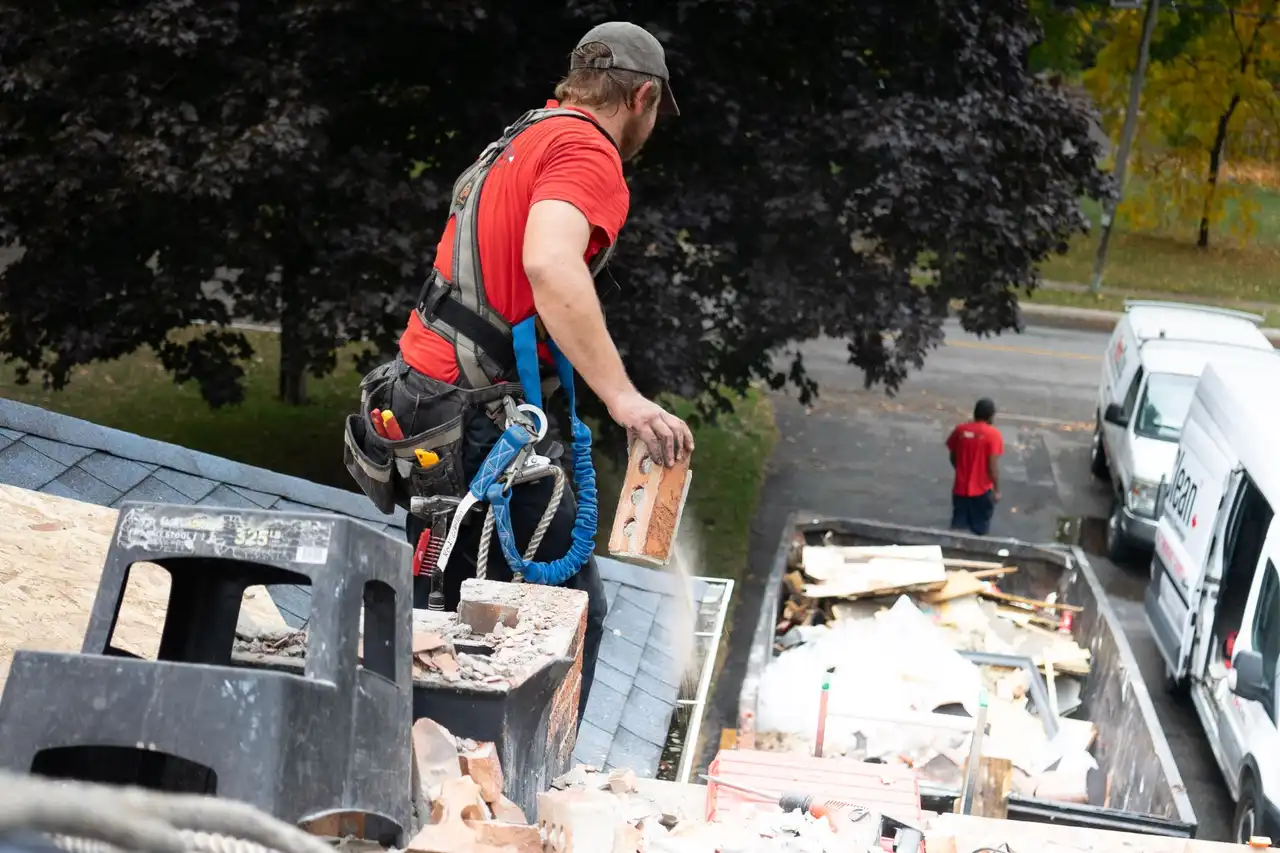
Spray Foam Removal in Warley is what we do every week, from the terraces off Warley Road up to the older stone-built properties near Warley Park. If a surveyor, lender or buyer has flagged the foam in your loft, we take it out cleanly, dispose of it properly and give you the paperwork you need to move forward. Same day assessments are usually possible across HX2 0 and HX2 7.
Useful updates and clear arrival timing.
Review the approach and price before deciding.
Equipped vehicles and respectful cleanup.
Neighbors serving neighbors with follow-through.
Modern Touch Spray Foam has been removing spray foam insulation from Warley properties since 2022, and in four years we have worked on everything from two-up-two-down terraces near King Cross to large detached stone houses on the upper side of the valley. Spray Foam Removal in Warley is rarely just about insulation. Most of the calls we get start with a mortgage lender refusal, a damp patch on a bedroom ceiling, or a surveyor's note about roof timber rot. Because Warley sits on a hillside above Halifax, the housing stock is mostly pre-1930 stone-built, and that changes how we work. Foam that was sprayed into a slate roof void traps moisture against timber in a way it never would on a modern trussed roof. We use a spray foam cutting saw and oscillating multi-tool to cut the bulk out, then dry ice blasting to clear the last bonded layer without gouging the rafters. Every job is finished with an industrial vacuum and air scrubber so no dust settles in your bedrooms. If you need affordable Spray Foam Removal Warley wide, we quote before we start and we stick to it.

Every service we offer is available across Warley, from HX2 0 up through HX2 7 and out towards Luddendenfoot. If you have searched Spray Foam Removal Warley near me and ended up here, the fastest route is a phone call. We will tell you on the phone whether you need a full strip-out or just a partial removal, and we can usually get someone out the same day.
We cover every Warley postcode, HX2 0 and HX2 7 included, plus the surrounding hillside villages. Most call-outs are to stone-built terraces and semis where foam was applied to the underside of slate or stone slates. We arrive with the cutting tools already on board, assess the roof void, and give you a fixed price before any work starts.
View service →02Same day Spray Foam Removal Warley bookings are realistic for most of the week. If you call before midday, we can often have a technician at your property in Warley Town or near Warley Cricket Club the same afternoon. This is the service most people want when a lender has set a deadline on a mortgage offer.
View service →03Emergency Spray Foam Removal Warley West Yorkshire cover runs around the clock. The calls we get at 2am are usually water tracking through a foam-filled roof void after a storm, or a ceiling bulging under the weight of saturated insulation. We will come out, make it safe, and book the full removal for daylight hours.
View service →04Most Warley jobs are residential: terraces off King Cross, semis around Pellon, and larger stone detached houses on the upper slopes. We work room by room, sheeting floors and stairwells, and we keep the household running. Kitchens and bedrooms stay usable, and we clear up fully at the end of each day.
View service →05Warley has a handful of commercial units and workshop buildings where spray foam was used on roof decks. We work around your operating hours, including evenings and weekends, so you do not lose trading time. Closed cell spray foam on a metal deck comes off differently to loft foam, and we bring the right equipment for both.
View service →06Loft Spray Foam Removal is the single most common job we do in Warley. Access is usually through a narrow hatch, and the roof pitch on these old stone properties is tight. We use a compact spray foam cutting saw and an oscillating multi-tool to get into the eaves without damaging the rafters or the felt.
View service →07Roof Spray Foam Removal in Warley often means working from inside the roof void rather than stripping slates. Where foam has bonded to the underside of the roof covering, we cut it back to the timber and treat any rot we find. If the roof needs re-covering anyway, we can sequence our work around your roofer.
View service →08Attic Spray Foam Removal covers the same ground as loft work but usually on older, dustier voids that have not been touched in decades. Warley's stone-built attics hold a lot of grit and old mineral wool. We bag everything, run an air scrubber throughout, and leave the space clean enough for a surveyor to inspect.
View service →09Spray Foam Insulation Removal across Warley covers open cell, closed cell and mixed foam applications, including the foam board some installers wedged between rafters. We identify what is actually up there first, because polyurethane foam and foam board come out very differently and the disposal routes are not the same.
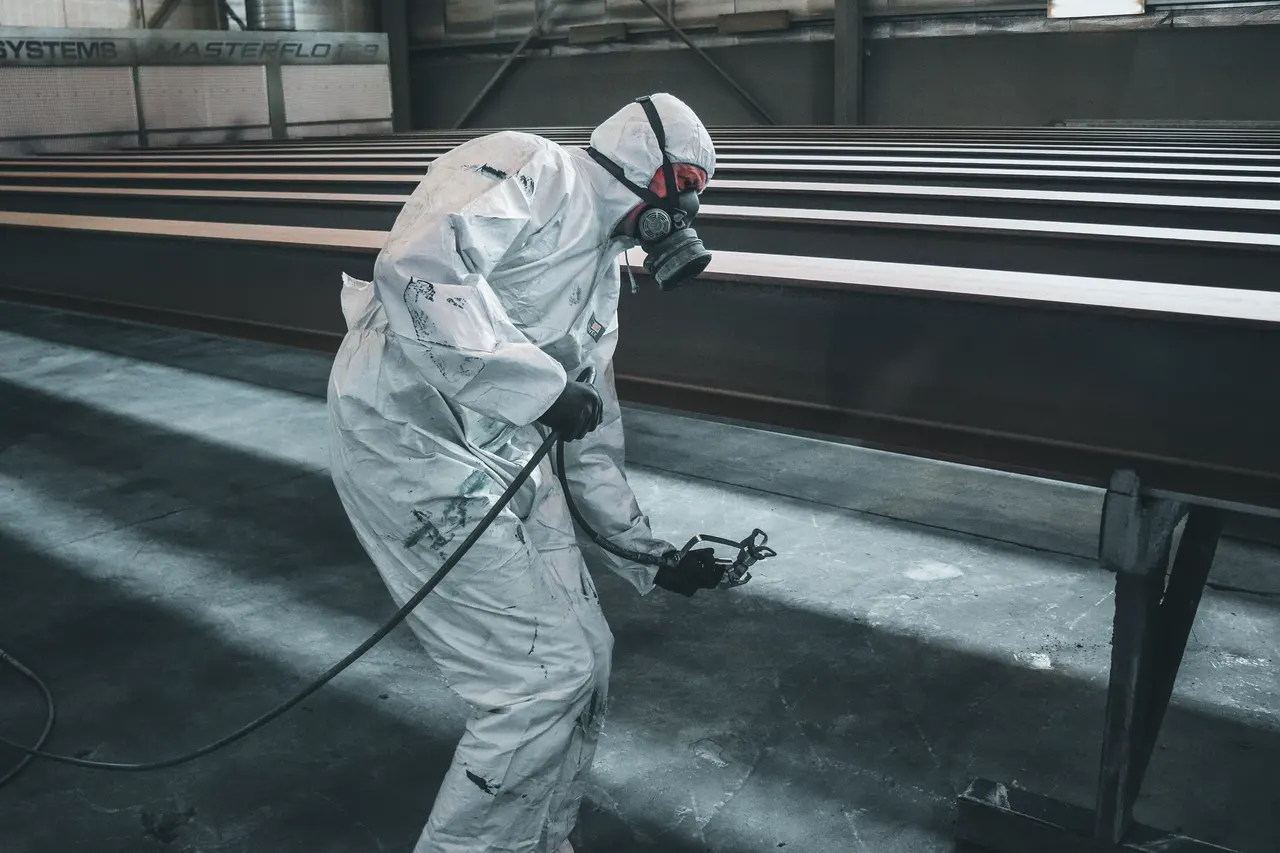
View service →Spray Foam Removal Warley West Yorkshire jobs follow a routine we have refined over four years. First, an assessment: we go into the loft, photograph everything, and check the timbers for rot and the sarking for damp. Second, protection: we sheet the landing, seal the hatch with a zipped barrier and set up an air scrubber so no dust reaches the rest of the house. Third, removal: bulk foam comes out with a spray foam cutting saw, bonded residue with dry ice blasting, and edges with an oscillating multi-tool. Fourth, clearance: industrial vacuum, bagging, and a final photograph set. Access in Warley can be tight. The lanes off Warley Road and around Warley Town are narrow, and parking on the steep sections near St John's Church needs planning. We usually park at the bottom and carry kit up rather than block a neighbour's drive. Most lofts take one to two days. A full roof void on a large stone property can run to three. We work to PAS 2035 principles where the job touches a retrofit pathway, and we keep the roof space ventilated afterwards so the timber can dry properly.
Getting cutting equipment, dry ice and extraction kit up to properties on the upper slopes takes longer than a flat-street job. Vans cannot always reach the door. We carry kit in on trolleys and plan the day around parking at the nearest accessible point. If your lane is too narrow for the van, we will tell you on the phone so there are no surprises on the day.
These roofs were never designed for spray foam. Timbers are often undersized by modern standards and the sarking holds moisture against the wood. We cut foam back to the timber rather than pulling it, inspect every rafter we expose, and treat any early rot before it spreads. We leave the void ventilated and photograph the timbers for your records.
Warley catches the prevailing weather coming up the Calder valley. Foam that has been in place for years is often wet through, which makes it heavier and messier to remove. We use sealed extraction and an air scrubber to control the mess, and we dry the void out before we finish. If the foam is saturated, we will flag it early because it changes the disposal route.
If your property is going through a retrofit assessment, foam removal has to be documented properly. We work to PAS 2035 principles so the removal fits the wider retrofit plan rather than fighting it.
Most spray foam systems installed in Warley lofts were BBA-certified at the time. That certificate does not cover the roof after installation, which is exactly why lenders flag it. We explain what the certificate does and does not cover.
TrustMark registration matters if you want the work recognised under a government-backed scheme. We keep our documentation in a format that TrustMark-registered assessors can pick up without chasing us for paperwork.
Warley's position on a west-facing hillside above the Calder valley means the weather hits these roofs hard. Combine that with pre-1930 stone-built stock and a lot of foam installed under now-closed grant schemes, and you get a predictable set of problems. These are the four we see most often.
Most foam in Warley lofts went in between 2010 and 2018 under government-backed schemes. Lenders and surveyors have since tightened their position because the foam hides the timbers and prevents inspection. The property becomes effectively unmortgageable until it is removed. We survey, remove and document in one sequence, and we provide before-and-after photographs plus a written removal statement and disposal records. That package is what most high street lenders want to see before they will lend.
Spray foam seals a roof void that was designed to breathe. In Warley's climate, with driving rain on the west side and cold nights, moisture condenses on the sarking and soaks into the foam. The timber underneath stays wet for months. We remove the foam, dry the void with air movers, and check every exposed rafter for rot. Where ventilation is inadequate, we tell you what needs changing so the problem does not come straight back.
Closed cell foam is waterproof, which sounds good until water gets behind it. Once moisture is trapped between the foam and the rafter, the timber cannot dry and rot sets in out of sight. By the time it shows, it has often spread along several rafters. Dry ice blasting lets us lift the foam off the timber without tearing the surface, so we can see the true condition of the wood. Any rot we find is treated or cut out and replaced before the void is signed off.
Installers working quickly often sprayed foam right into the eaves, blocking the ventilation gaps that keep the roof dry. It is a common shortcut and it is one of the main reasons Warley lofts develop condensation problems in the first place. We clear the overspray from the eaves and check that air can move through the void again. Where the original vents are inadequate, we will tell you what needs adding before the roof space is properly usable.
Warley's road layout is not straightforward, and sat-nav regularly sends vans down lanes that go nowhere. We use the landmarks below to orient ourselves and to confirm we are on the right street before we knock. If you are giving directions, mention the nearest one and we will find you.
A useful reference point for properties on the upper side of the village. If your street backs onto or overlooks the park, we know roughly which access lane to use and where the parking is easiest.
Sits close to a cluster of residential streets on the lower side of Warley. We use the ground as a marker for jobs in that grid of terraces, particularly when the postcode alone is ambiguous.
The church is the clearest fixed point in the old village. Properties within a few minutes of it are usually the older stone-built stock, which tells us before we arrive that access and timber condition will need closer attention.
The main route through Warley carries a mix of small workshops, trade units and local businesses. Several of these buildings have older roof structures where spray foam was applied to the underside of the deck.
A short distance up the valley, these units include storage and light industrial buildings with high roof spaces. Foam removal here is usually planned around operating hours rather than done during the working day.
About ten minutes downhill from Warley. Useful for customers travelling in for a survey, and a marker for the main routes into and out of the village.
The valley route running through Luddendenfoot and on towards Hebden Bridge. We use it daily when covering jobs along the Warley and Luddendenfoot corridor.
Warley is not one uniform area. The housing changes as you climb the hill, and so does the foam problem. Here is how we split it up and what we typically find in each part.
The old village core around St John's Church has some of the oldest stone properties we work on. Roof voids are tight, timbers are hand-cut and irregular, and foam was often sprayed directly onto the sarking. This is conservation area territory, so we work carefully and keep the fabric of the building intact. Our usual route runs through Warley Town mid-morning, so survey visits are usually same day.
King Cross has a dense mix of Victorian terraces and larger semis, many with converted lofts. Foam here is often closed cell and bonded hard to the rafters. We see a lot of mortgage-driven removals on these streets because the properties turn over quickly. Ten minutes from our Halifax base, so King Cross jobs are easy to slot in at short notice.
Pellon's terraces sit lower on the hill and catch more driving rain. Open cell foam in these lofts is frequently saturated, and we often find damp staining on the chimney breast as well. Removal here usually includes a ventilation check. Pellon is on our daily loop between Halifax and Warley, so response is typically within a few hours.
Further along the valley, Luddendenfoot has a mix of stone cottages and larger former mill buildings. The commercial units here often have foam on metal roof decks rather than timber, which needs a different removal method and a scissor lift. A short run up the valley from Warley, usually scheduled as an afternoon visit.
These are real jobs from the last eighteen months, described the way we would describe them to a neighbour. Names and exact addresses are left out, but the locations and the numbers are accurate.
A 1900s stone terrace in Warley Town had closed cell foam sprayed across the entire roof void. The buyer's mortgage lender refused to lend until it was removed and documented. We surveyed on a Tuesday and started on the Thursday. Bulk foam came out with a cutting saw, bonded residue with dry ice blasting, and we hand-finished the rafter faces with an oscillating multi-tool. The whole void was vacuumed and photographed, and we issued a removal statement with disposal records. Foam cleared from roughly 32 square metres of roof void in two days. The lender accepted the documentation and the sale completed three weeks later.
A semi-detached house off King Cross had open cell foam that had been saturated by a slow roof leak. The homeowner noticed a brown stain spreading across a bedroom ceiling. We cut out the wet foam in sections, traced the leak to a failed flashing around the chimney, and dried the void with air movers over two days. The exposed timbers were treated where early rot had started, and we left the roof space ventilated. Ceiling stain stopped spreading within a week. The homeowner had the flashing repaired separately and the loft passed a follow-up survey with no further action.
A former mill building near Luddendenfoot had foam sprayed onto a metal roof deck. The owner needed it gone before a change of use, but could not shut the unit down during the day. We worked three evening shifts using a scissor lift and extraction at height. Foam was cut back to the deck and the metal was cleaned down. All waste went to a licensed transfer station with paperwork provided. Around 180 square metres of deck cleared over three evenings. The unit stayed open every day and the change-of-use application went in on schedule.
Spray Foam Removal Warley West Yorkshire cost can shift a little with the seasons, mainly because demand and access change. Autumn is when most people start thinking about it, so here is what to expect through the year.
Spring is when the damp from winter shows up. Stains on ceilings and musty smells in upstairs rooms become obvious as the house warms up. It is also a busy time for property sales, so lender-driven removals pick up.
Summer is the easiest time to work in a loft. Timbers are dry, access is straightforward, and the void dries out quickly after removal. It is also the quietest period for emergency call-outs, so scheduling is more flexible.
Autumn is our busiest season in Warley. People want the job done before winter, and the rain starts driving in from the west again. Damp patches that were dry all summer reappear in October and November.
Winter is when emergency work happens. Storm-driven rain finds its way through failed flashings and into foam-filled voids, and the weight of saturated insulation can bow a ceiling. Cold snaps also make lofts unpleasant to work in.
Warley sits between Halifax and the upper Calder valley, which makes it a natural base for a wider service area. We run the same crew and the same equipment across all of these towns, so you get the same standard whether you are in Warley or five miles out.

About ten minutes downhill from Warley. Many of our Warley customers originally found us through Halifax jobs, and we cover both areas on the same daily route.
Local coverage and details
A short run along the valley to the west. Sowerby Bridge shares Warley's stone-built housing stock, so the foam problems and the removal methods are much the same.
Local coverage and details
Just below Warley on the Halifax side. Siddal terraces often come up in the same batch of mortgage-driven removal enquiries as Warley properties.
Local coverage and details
A few minutes from Warley towards Halifax. Larger Victorian properties here often have bigger roof voids and more foam to remove than the Warley terraces.
Local coverage and detailsNot every contractor quoting for foam removal in Warley knows what they are doing. Some will rip the foam out and leave you with damaged rafters and no paperwork. Here are the questions that separate a proper job from a cheap one.
If the removal is for a mortgage, the paperwork matters as much as the work. Ask what exactly you get: before-and-after photographs, a written removal statement, disposal records. A contractor who cannot answer this clearly has not done many lender-driven jobs.
Closed cell foam is bonded hard to the timber. Pulling it off tears the wood surface and weakens the rafter. A good answer mentions dry ice blasting or thermal methods rather than a crowbar and brute force.
In Warley's older stone properties, rot behind foam is common. Ask how they handle it, whether they treat or replace, and how it is priced. A contractor who says it will not happen has not worked on many pre-1930 roofs.
You want a fixed price that covers removal, disposal, protection of the rest of the house and the documentation. If the quote is a range or excludes disposal, the final bill can be significantly higher than you expected.
Loft work carries real risk: falls, damage to ceilings, dust escaping into living areas. Ask for public liability and employer's liability cover. Any legitimate contractor will have both and will not hesitate to confirm it.
TrustMark
CHAS
Constructionline
NEBOSH
2 million pounds public liability and employer's liability cover
Member
Member
Most Warley jobs run from around 900 pounds for a small open cell loft up to 3,500 pounds or more for a full closed cell strip-out on a large stone property. Foam type is the biggest factor, followed by roof void size and access. We give a fixed price after the survey, including disposal and lender documentation.
We would say us, but judge for yourself. We have been removing foam across Warley since 2022, we use dry ice blasting rather than ripping foam off the rafters, and we provide the paperwork lenders actually accept. Ask any contractor what method they use and what documentation you get. The answers will tell you plenty.
Yes. We cover every Warley postcode, HX2 0 and HX2 7 included, plus the surrounding villages. Standard hours run Monday to Saturday, and we offer 24/7 emergency cover for storm damage and water ingress. Same day surveys are usually possible if you call before midday.
You need it if a lender or surveyor has flagged the foam, if you have damp or condensation in the loft, if the timbers feel soft, or if the foam is cracking and pulling away. If none of those apply, you may not need removal at all. We will tell you honestly after an assessment.
Yes, we run a 24/7 emergency line on 01422747049. The usual call-outs are storm-driven water getting into a foam-filled roof void or a ceiling bulging under saturated insulation. We come out, make it safe, and book the full removal for daylight hours.
Not seeing your question? Our local team can help you understand urgency, scheduling and what to expect.
Ask the local team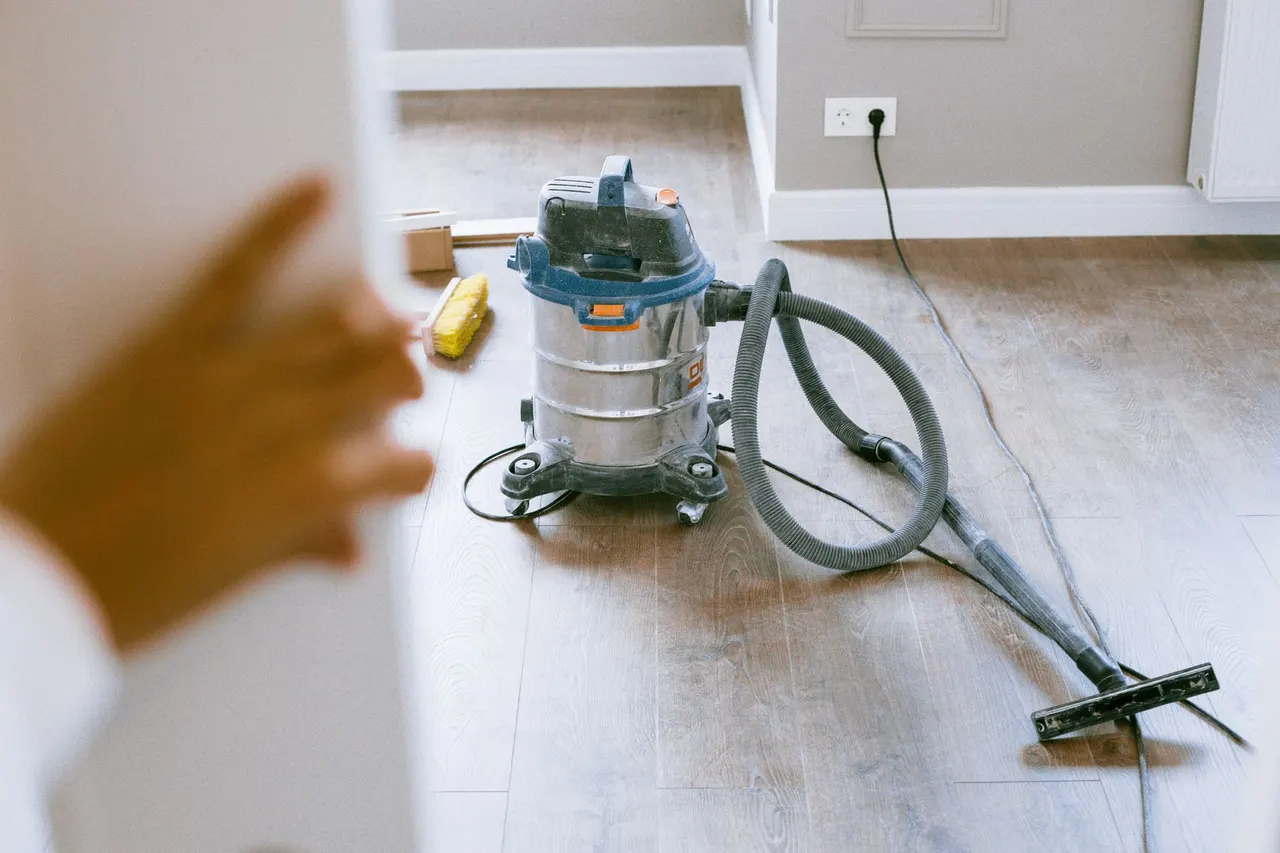
Ring 01422747049 or email [email protected] and we will get back to you the same working day. We are on the phone from 8am to 6pm Monday to Friday, and the 24/7 line is always open for emergency call-outs across Halifax. Tell us what you have seen and we will tell you what it needs.