Focused arrival windows
Useful updates and clear arrival timing.
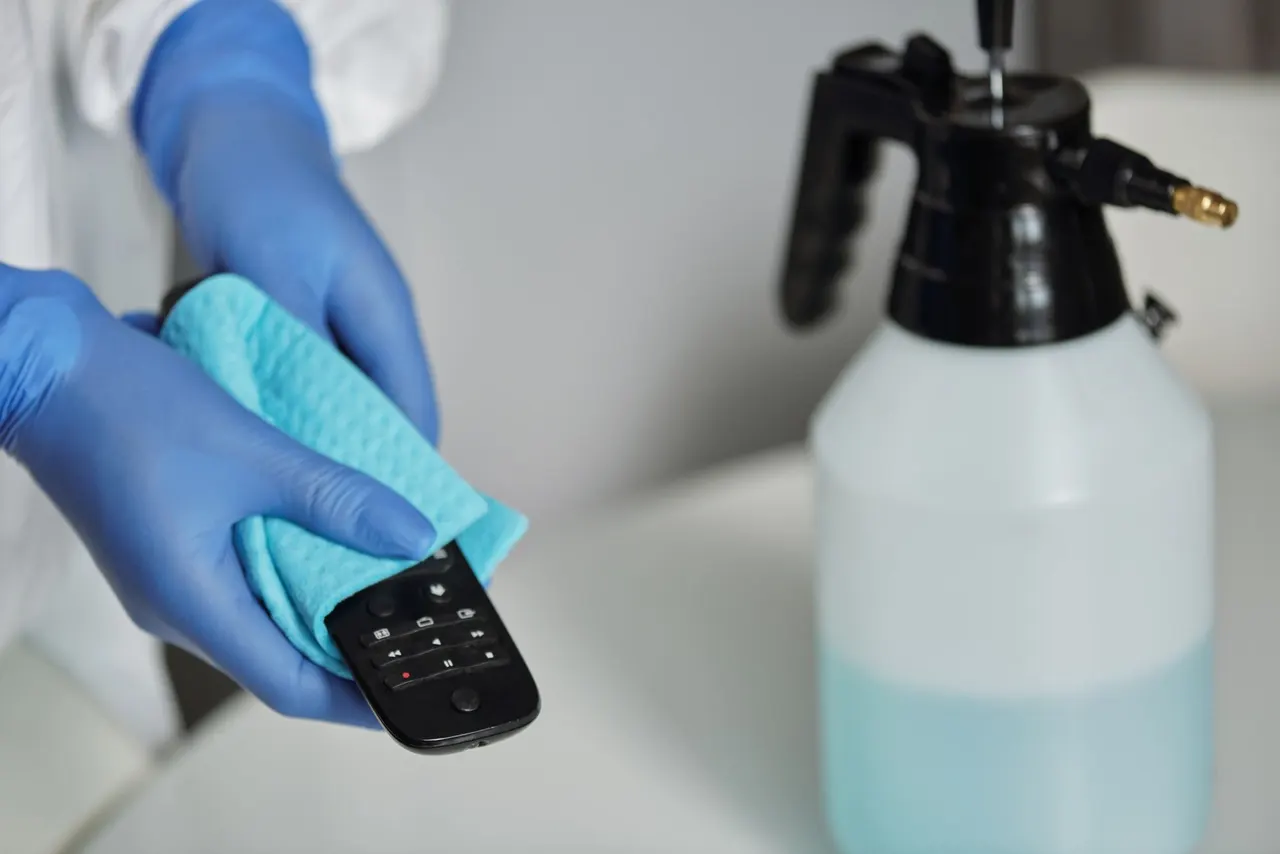
Cavity Wall Spray Foam Removal in Halifax is the specialist job of stripping out failed or moisture-trapping foam from your wall cavities. If a surveyor, mortgage lender or damp patch has flagged your insulation, we handle the full removal, clean-out and disposal. We cover Halifax, West Yorkshire and surrounding towns, usually with a same-week survey and a fixed price before we start.
Useful updates and clear arrival timing.
Review the approach and price before deciding.
Equipped vehicles and respectful cleanup.
Neighbors serving neighbors with follow-through.
Every Halifax cavity job includes the survey, containment, extraction, clean-out and documentation as standard. Re-pointing and air brick refitting are included where the wall is opened. New insulation is a separate job, but we leave the cavity ready for it.
We inspect the cavity with a borescope, identify the foam type and measure coverage. You get photos and a fixed written price the same day, with no obligation to book.
Floors sheeted, doorways sealed, air scrubber and industrial vacuum running before any cutting starts. Dust and foam particles stay inside the work zone from the first cut to the last.
Foam is cut with a spray foam cutting saw and oscillating multi-tool, then extracted panel by panel. We check with a borescope that no residue remains before closing up.
All removed foam, dust and contaminated material is bagged and disposed of through licensed routes. You receive the disposal paperwork with your completion pack.
Disturbed brickwork is re-pointed, air bricks refitted and the wall left weathertight. We match mortar as closely as possible so the repair blends into the existing wall.
Before-and-after photos, a method statement and disposal records are supplied for your lender, valuer or buyer. Everything is digital, so you can forward it the same day.
Share what is happening and receive a clear next step from the local team.
Cavity Wall Spray Foam Removal in Halifax is the controlled extraction of polyurethane foam that was injected between your inner and outer brickwork, usually years ago under an older insulation scheme. The foam is cut back with a spray foam cutting saw and oscillating multi-tool, then pulled out with an industrial vacuum and air scrubber so dust and fibres stay contained. We work panel by panel, checking the cavity wall insulation behind it, and we bag everything for licensed disposal.
Most Halifax calls come from homeowners who have hit a mortgage lender refusal because a survey flagged spray foam in the walls. Others ring us about damp and condensation on internal walls, or because a loft insulation job revealed foam that had spread where it should not have. If you have been searching for Wall cavity foam removal Halifax West Yorkshire cost, the honest answer is that price depends on wall length, foam type and access, and we confirm it after a survey.
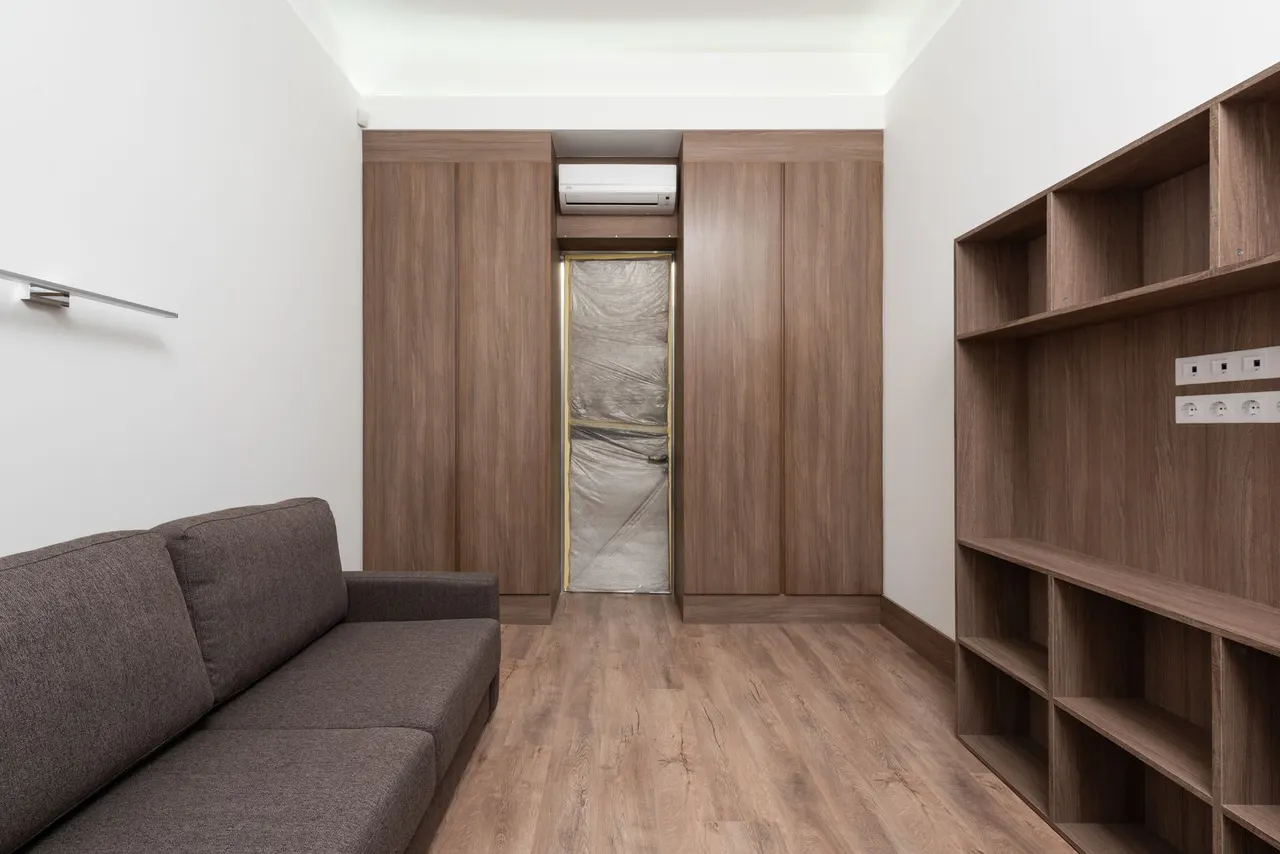
We attend your Halifax property, inspect the cavity with a borescope and check for foam overspray in the loft or under floors. You get a written fixed price the same day, usually within two hours of the survey. No charge for the visit.
On the first morning we sheet floors, seal doorways and set up the air scrubber and industrial vacuum. Our technicians wear full PPE respirator kit. Setup on a typical semi takes 45 to 60 minutes before any cutting starts.
We open the wall at strategic points and cut the foam with a spray foam cutting saw and oscillating multi-tool, working panel by panel. Extraction runs alongside so the cavity is cleared as we go. A three-bed semi usually takes one to two days.
Every cavity is vacuumed, brushed and inspected with a borescope to confirm no foam residue remains. We check for damp and condensation damage to the inner leaf and photograph the finished cavity for your records and your lender.
We re-point or re-bed disturbed brickwork, refit air bricks and leave the walls weathertight. You get a completion pack with before-and-after photos and disposal paperwork. Most Halifax jobs are fully reinstated within 48 hours of the last extraction.
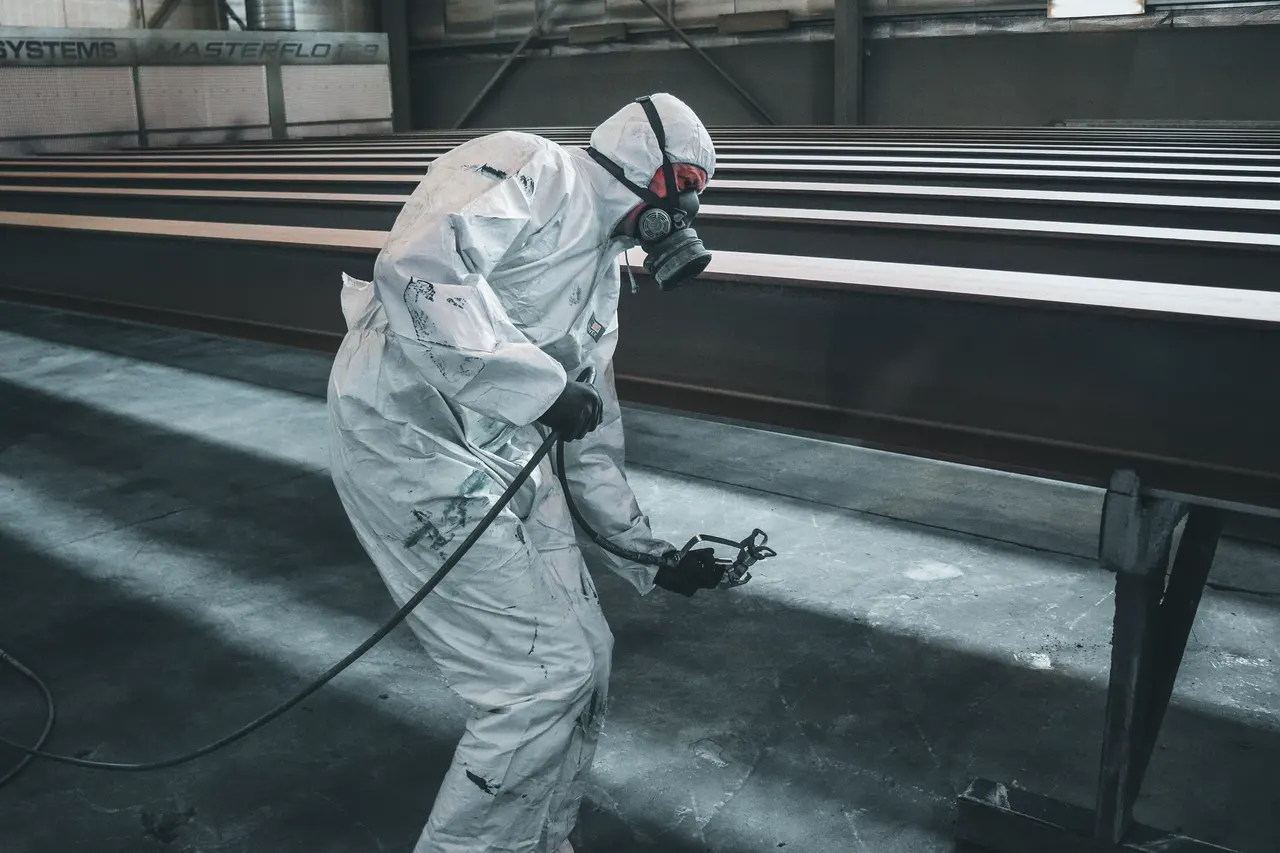
Cuts through dense closed cell foam in straight lines so panels come out cleanly without tearing the inner leaf.
Reaches into corners, around wall ties and behind air bricks where a saw cannot go, trimming foam back to the brick.
Extracts foam fragments and dust continuously during cutting, keeping the cavity and the room clear.
Filters airborne particles inside the work zone, so dust and fibres do not migrate into the rest of your Halifax home.
Full-face and half-mask respirators with filters protect our technicians from foam dust and isocyanate residue.
Inspects the cavity before, during and after removal, and produces the photos your lender or valuer wants to see.
Freezes and lifts stubborn foam residue from delicate brickwork and timber without abrasive damage.
We follow PAS 2035 guidance for insulation removal and reinstatement, so the work is documented to a recognised standard. That matters when a lender or valuer reviews the file.
Rather than cutting the whole wall open at once, we work in sections. Each panel is cut, extracted and inspected before moving on, which keeps dust down and the structure supported.
Air scrubbers, sealed doorways and sheeted floors go in before any cutting starts. It adds 45 minutes to setup but keeps your home clean and the work compliant.
Every cavity is checked with a borescope after extraction. If any foam residue remains, we go back in. We do not close a wall until the cavity is clean.
Foam, dust and contaminated material are bagged on site and disposed of through licensed waste carriers. You receive the paperwork as proof of compliant disposal.
We survey within two to three working days, confirm the foam type and give you a fixed price. Removal is usually scheduled within a week, and we supply the documentation your lender needs. The purchase proceeds with a clear cavity and a valuer-approved paper trail.
We borescope the cavity, confirm whether foam is trapping moisture, and remove it where it is. We also check for damaged plaster and timber while the wall is open. Walls dry out within four to six weeks and the damp cycle stops.
We work to your void period, often completing a standard terrace cavity in one to two days. Documentation is supplied for your records and any future sale. The property is re-let without damp complaints and with a clear insulation history.
We combine cavity wall and loft spray foam removal in one visit, using the same containment and extraction setup. Timbers are inspected for rot and treated where needed. One clean job, one price, and a loft ready for new insulation that meets current standards.
Halifax building stock shapes how we work. The town has a lot of solid-walled stone terraces and 1930s semis, and both behave differently when foam is removed. Stone walls are often uneven, so we cut more slowly and use the oscillating multi-tool around wall ties. Brick semis usually have a regular cavity, which makes extraction quicker. West Yorkshire weather matters too: we get driving rain off the Pennines, so any cavity that has been foam-filled for years is likely to hold moisture. We check for damp and condensation damage on every job and flag roof timber rot where we find it. If you need Wall cavity foam removal Halifax same day for a lender deadline, call us and we will tell you honestly what is possible. Typical 2026 pricing for a Halifax semi runs from 900 to 2,400 pounds depending on wall length and foam type.
Large Victorian villas with deep cavities and thick stone walls. Foam here often sits against old mortar that needs re-pointing after removal.
Dense terraced housing where cavity access is tight. We use narrower cutting tools and work from both inside and outside where needed.
1930s semis with regular brick cavities, usually the quickest jobs we do. Most are stripped and reinstated within two days.
Valley properties that catch more rain. Cavities here are more likely to show damp, so we always borescope before quoting.
A mix of older terraces and newer builds. Newer foam jobs often involve closed cell foam that needs slower mechanical cutting.
Cavities hold moisture longer, so foam that has been in place for years is more likely to have caused damp. We build in extra drying checks before reinstatement.
Uneven surfaces mean slower cutting and more hand work around wall ties. It adds time but protects the stone from damage.
Access can be awkward, so we plan scaffolding and equipment positioning during the survey rather than on the day.
Removal is best done before the worst of the weather so brickwork can be re-pointed and left weathertight. We schedule accordingly from October onwards.
A three-bed semi in Northowram had closed cell foam injected in 2014. The buyer's lender refused the mortgage and the sale stalled for six weeks while the owners looked for a removal contractor.
We removed the foam from 22 metres of cavity in two days, re-pointed the disturbed brickwork and supplied a completion pack. The valuer signed off within a week and the sale completed three weeks later.
Maintenance: Keep air bricks clear and check internal walls for damp each spring. If you re-insulate, use a BBA-approved bead system rather than injected foam.
A mid-terrace in Pellon had damp patches on two internal walls and blown plaster near the skirting. The foam had been in place for over a decade and was trapping water against the inner leaf.
We extracted the foam from 18 metres of cavity, checked the timbers and found no rot. The walls dried out within five weeks and the plaster was replaced. Damp readings dropped from 28% to 12%.
Maintenance: Run extractor fans in the kitchen and bathroom, and keep the external wall clear of raised ground or paving that traps rain splash.
A detached home in Skircoat Green had foam in the cavity and overspray across the loft rafters. The owner was worried about roof timber rot and had been quoted separately by two contractors.
We removed both in a single two-day job, treating two rafters with preservative where moisture had started to bite. The loft was left clean and ready for mineral wool. The owner saved the cost of a second mobilisation.
Maintenance: Check the loft once a year for damp staining on rafters and keep ventilation paths clear. Book a borescope check if you notice any musty smell.
Cavity foam causes a small set of predictable problems. Recognising them early saves you money, and removal stops the damage getting worse.
Your sale, purchase or remortgage stalls, and you may lose the buyer or the rate you were offered. We remove the foam, photograph the clean cavity and supply a completion pack your valuer can sign off. Most Halifax lenders accept our documentation without a second survey, and we can prioritise jobs with a deadline.
Plaster blows, skirting boards rot and the room smells musty. Left alone, moisture reaches floor joists and wall plates. Closed cell foam traps water against the inner leaf. We cut it out, check the cavity for damage and leave it clear so the wall can dry. Most Halifax properties dry out within four to six weeks with normal ventilation.
Foam sprayed onto rafters and joists traps heat and moisture, and rot spreads into structural timber that is expensive to replace. Our roof and attic spray foam removal service clears the foam, inspects the timbers and treats affected sections. We document any rot we find so you can decide on repairs before it becomes structural.
Foam that fills the cavity blocks airflow, so the building cannot breathe. Rooms overheat in summer and condensation forms in winter. Removing the foam restores the cavity gap and airflow through air bricks. Once clear, we can advise on a BBA-approved replacement insulation that performs without sealing the wall.
Typical 2026 pricing in Halifax runs from 900 to 2,400 pounds for a standard semi-detached house, and 1,800 to 4,500 pounds for larger detached properties or full-wall coverage. Wall length, foam type, access and whether the loft is also affected all move the number. We confirm a fixed price after a free survey.
The best team is the one that surveys properly, gives you a fixed price and documents the removal for your lender. We have been removing foam since 2022, hold CHAS and Constructionline accreditation, and work to PAS 2035 retrofit standards. Ask any contractor for before-and-after photos and disposal paperwork before you book.
Yes. We cover the whole of Halifax and West Yorkshire, including Sowerby Bridge, Elland, Brighouse, Rastrick, Mytholmroyd and Todmorden. Surveys are usually booked within two to three working days, and most removal jobs start within a week of you accepting the quote. Call 01422747049 to check current availability.
You need it if a surveyor has flagged spray foam, your lender has refused a mortgage, or you have damp and condensation on internal walls that will not clear. Foam that fills the cavity and traps moisture will not dry out on its own. A borescope survey takes 30 minutes and tells you for certain.
Not seeing your question? Our local team can help you understand urgency, scheduling and what to expect.
Ask the local team
If you are searching for spray foam removal near me in Halifax, we cover the whole town and surrounding villages. The same crew that handles cavity wall foam can survey lofts, roofs and underfloor areas in one visit, so you get one clear price for the lot.
View service
When a lender or buyer needs foam gone quickly, our same day spray foam removal service can attend Halifax properties at short notice. We prioritise cavity wall jobs where a mortgage deadline is close, and we can often survey and start within 24 hours.
View service
Our 24/7 spray foam removal line covers Halifax for urgent call-outs, including water ingress through foam-filled cavities after heavy rain. Call 01422747049 any time and we will arrange the earliest possible attendance, with emergency make-safe work if needed.
View service
Most of our Halifax cavity wall work is residential spray foam removal in terraces, semis and detached homes. We work room by room, keep dust contained and reinstate brickwork so your home looks untouched apart from the missing foam.
View service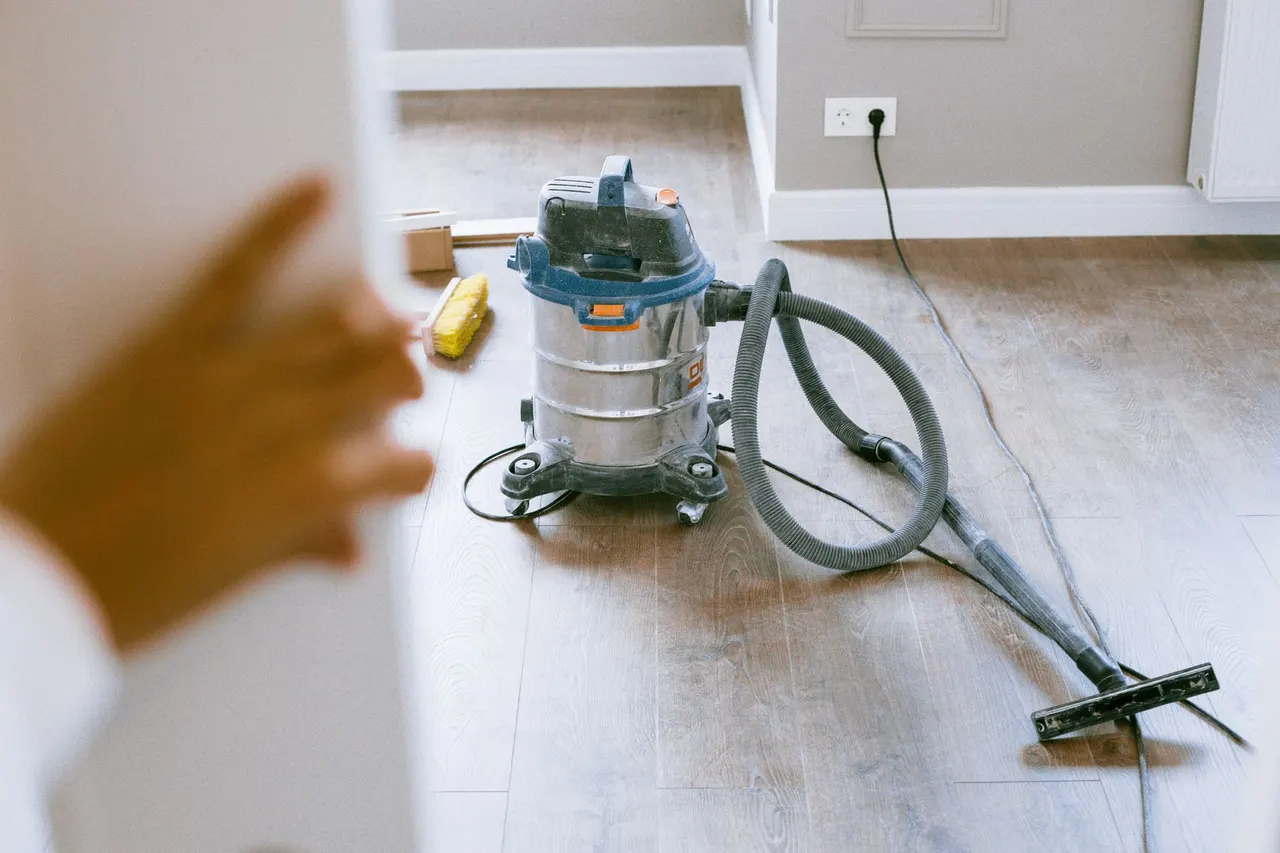
Ring 01422747049 or email [email protected] and we will get back to you the same working day. We are on the phone from 8am to 6pm Monday to Friday, and the 24/7 line is always open for emergency call-outs across Halifax. Tell us what you have seen and we will tell you what it needs.