Focused arrival windows
Useful updates and clear arrival timing.
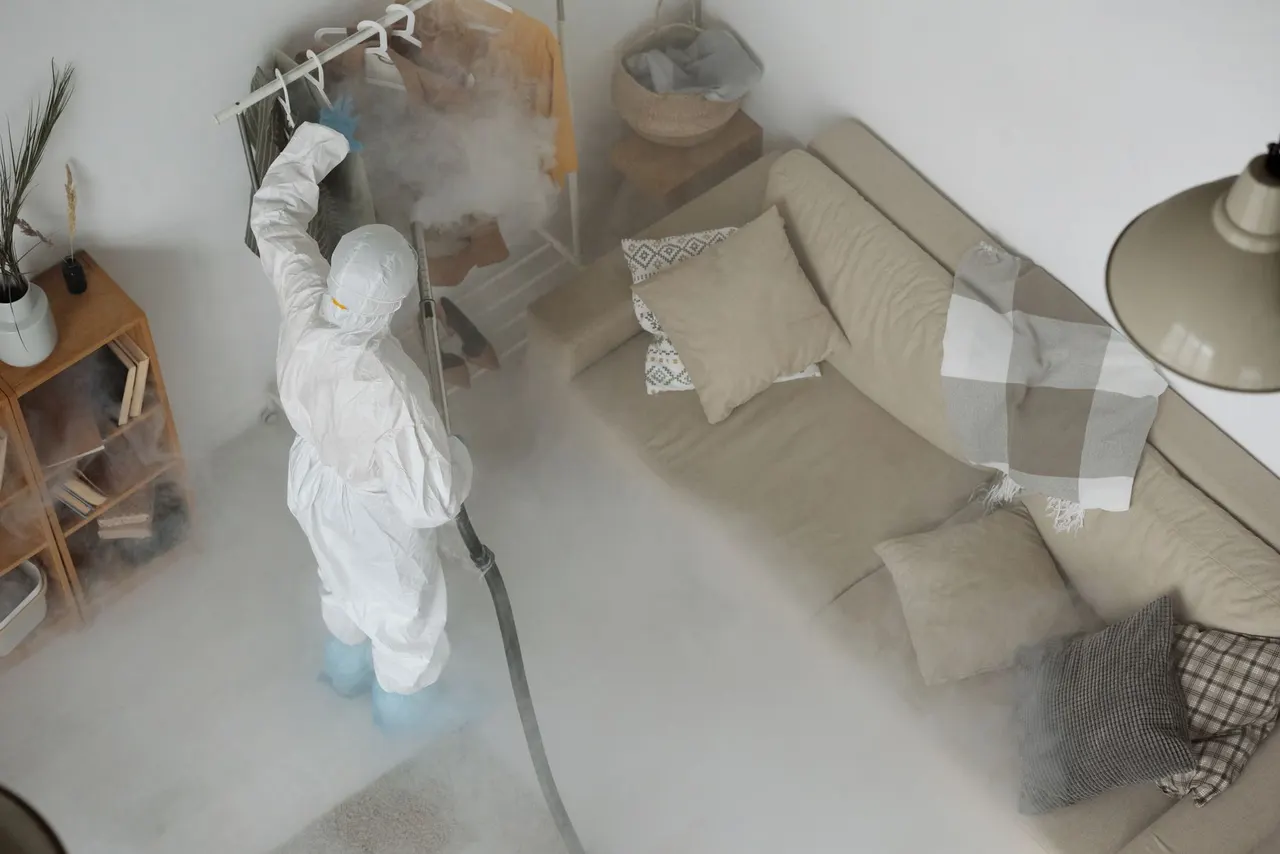
Open Cell Spray Foam Removal in Halifax is the job we get called to most across West Yorkshire: soft, sponge-like foam sprayed between rafters that has soaked up condensation for years. We cut it out, bag it, treat the timbers and leave your loft ready for a surveyor, a lender or new insulation. If you are buying or selling a Halifax house with foam in the roof, we can usually survey it within 48 hours.
Useful updates and clear arrival timing.
Review the approach and price before deciding.
Equipped vehicles and respectful cleanup.
Neighbors serving neighbors with follow-through.
Every Halifax job includes the survey, the removal, the clean-up and the paperwork. There are no hidden extras for standard lofts. If your roof needs something beyond the list below, we tell you at the survey and price it before we start, not afterwards.
We get into the loft, check the foam depth, the timber moisture and the ventilation, and take photos. You get a fixed price the same day. Most Halifax surveys take 30 to 45 minutes and there is no charge.
We cut the open cell foam back to the timber with a spray foam cutting saw and an oscillating multi-tool, working bay by bay, and bag it as we go. A standard Halifax semi loft takes four to six hours.
After the bulk comes out, we finish the rafters with dry ice blasting or thermal removal tools depending on how the foam bonded. This lifts the residue without wetting the timber, which matters on older Halifax roofs.
We clear the eaves, vents and any overspray blocking airflow, and check the loft insulation below. Restoring that airflow is what stops the condensation coming back once the foam is gone.
All foam and debris leaves with us through licensed waste routes. You get dated before and after photos of every bay plus a removal certificate for your lender, surveyor or buyer.
Share what is happening and receive a clear next step from the local team.
Open cell spray foam is the soft, low-density polyurethane foam that expands into every gap between rafters. It is not the rigid closed cell spray foam you can walk on. It crumbles, holds moisture and blocks the airflow a Halifax roof needs. Removing it means cutting the foam back to the timber with a spray foam cutting saw and an oscillating multi-tool, bagging it, then vacuuming the rafters with an industrial vacuum and air scrubber so no dust settles in your loft insulation below.
Most Halifax homes we visit were foamed between 2008 and 2015 under a green deal or a loft conversion. The foam looked fine for a few years, then the damp and condensation started. Now it is a mortgage lender refusal waiting to happen. If you have searched Open Cell Spray Foam Removal Halifax near me, you are usually a week away from a valuation. We work to a fixed price per roof so you know the number before we start, not after.
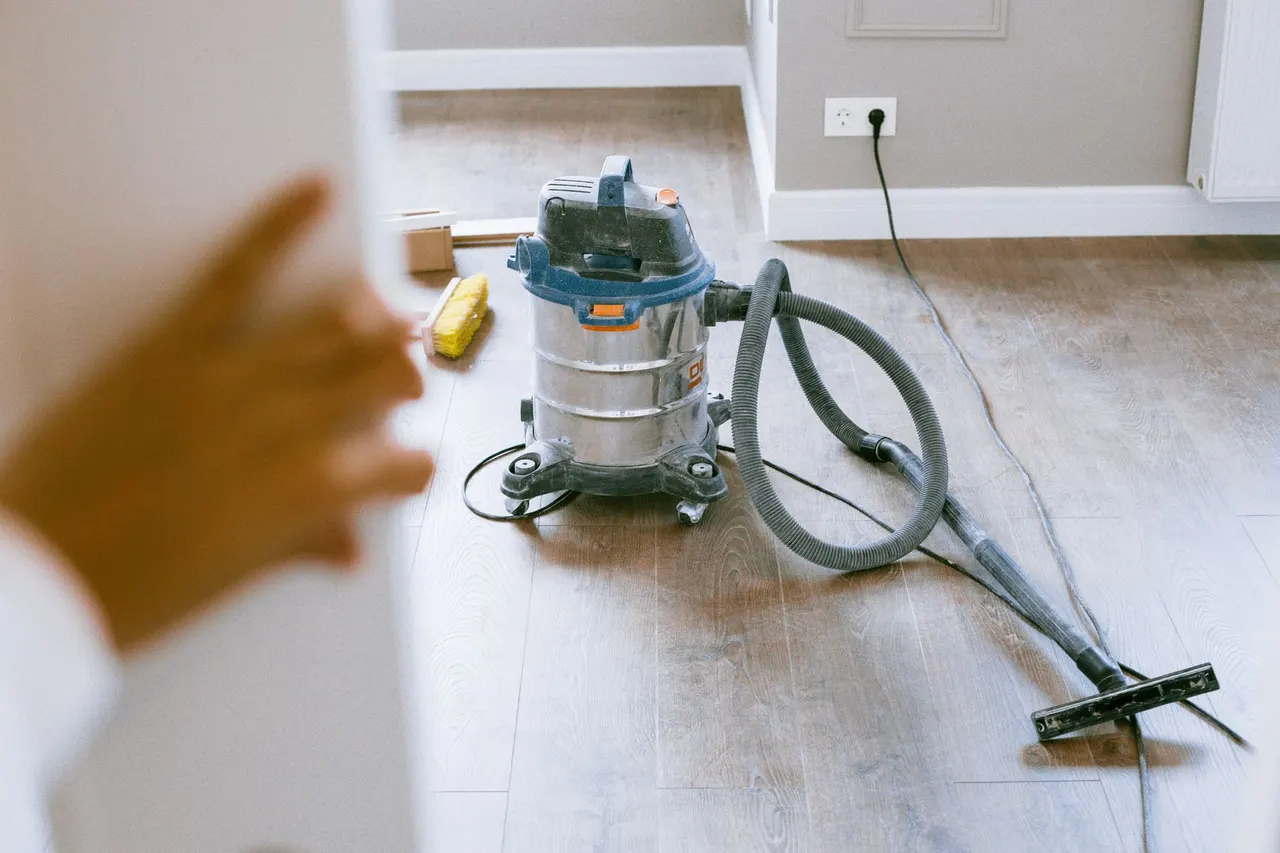
We come out, get into the loft and check the foam depth, the timber condition and the ventilation. You get photos and a fixed price the same day. Most Halifax surveys take 30 to 45 minutes, and there is no charge for the visit.
On the day, we sheet up the landing, stairs and any room below the loft hatch. We run an air scrubber and set up the industrial vacuum so dust and foam particles stay in the loft, not in your house. Setup takes about 45 minutes.
We cut the open cell foam back to the timber with a spray foam cutting saw and an oscillating multi-tool, working bay by bay. A typical Halifax semi loft takes four to six hours. The foam comes out in blocks and goes straight into sealed bags.
Once the bulk is out, we finish the rafters with dry ice blasting or thermal removal tools depending on how the foam has bonded. Dry ice pellets lift the residue without wetting the timber. This stage usually adds two to three hours.
We vacuum the whole loft, check every bay, and confirm the ventilation paths are open. You get before and after photos plus a removal certificate for your lender or surveyor. We take the waste away with us, so nothing is left on your drive.
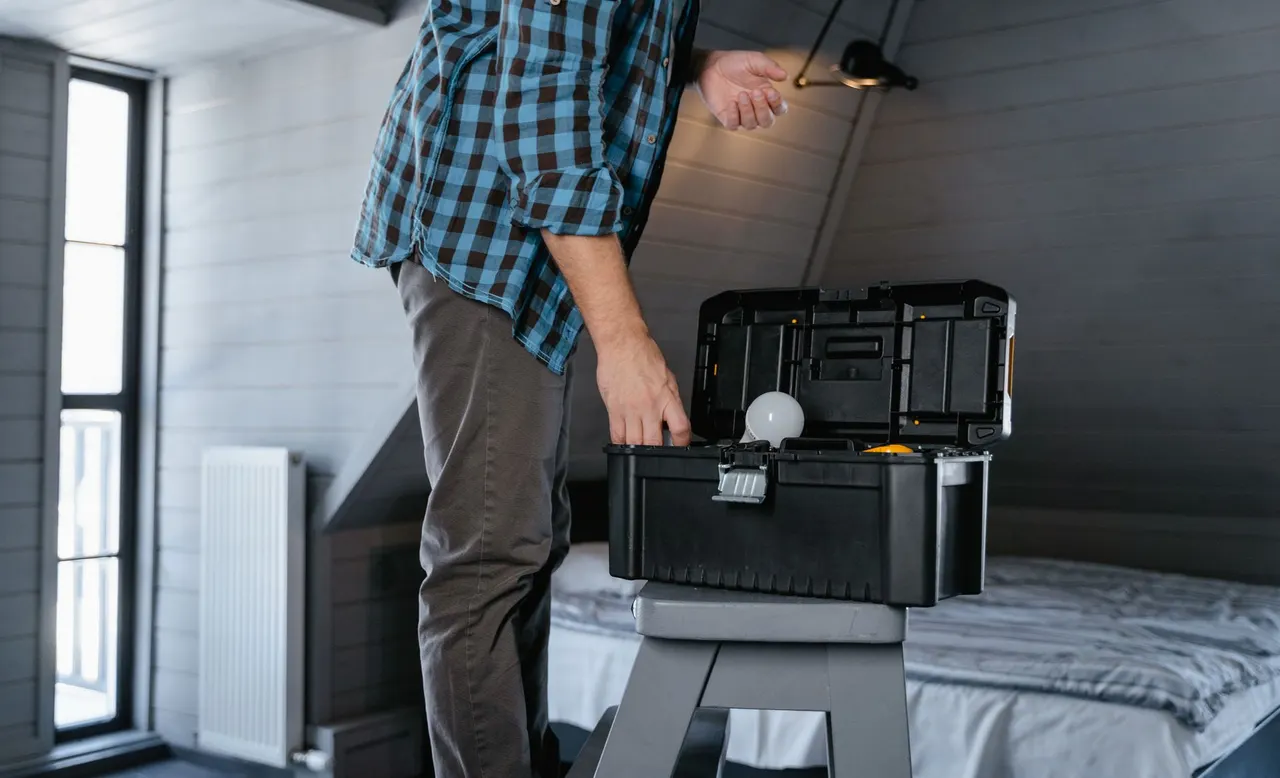
Cuts the bulk of the open cell foam back to the timber in straight, controllable passes. It is the first tool in on every Halifax loft job and it keeps the cut line tight to the rafters.
Gets into the corners, eaves and around cables where a saw will not reach. It is what stops us leaving foam behind in the awkward spots a surveyor will look at.
Fires dry ice pellets at the residue to lift it off the timber without wetting the wood. It is the cleanest finish for Halifax roofs where the foam has bonded hard.
Keeps foam dust and particles out of the loft and out of your house. We run both throughout the job, and we vacuum the whole loft before we hand it back.
Full face and half mask respirators, coveralls and gloves for every technician. Old polyurethane foam and its dust are not something anyone should be breathing in.
Used selectively on stubborn foam that cutting and dry ice will not shift. We contain the abrasive media fully so nothing is left in the loft or on your drive.
After removal we check the eaves, vents and cross-flow paths against PAS 2035 principles. It is the difference between a loft that stays dry and one that re-damps within two winters.
Dry ice pellets sublimate on contact, so they lift foam residue off the timber without leaving moisture or media behind. It is our default finish on older Halifax roofs with rough-sawn rafters.
On converted barns and older stone properties, we use controlled heat to soften the foam before lifting it. It takes longer, but it protects timbers that would mark under a cutting blade.
We photograph every bay before, during and after removal. Surveyors and lenders want evidence, and a dated photo set is what gets a Halifax mortgage offer retained.
We survey within 48 hours, quote per roof and book the removal around your completion date. We photograph every bay and hand over a removal certificate your lender can file with the valuation. The valuation is signed off, the mortgage offer is retained and the sale completes on the original timescale.
We strip both lofts, dry ice blast the residue off the timbers and check every rafter for rot. We work one property at a time so the tenants are not disrupted for more than a day. Both lofts are clean and dry, the timbers are sound and the properties pass their next inspection without a foam flag.
We cut the foam out, replace the damaged loft insulation and open the vents back up. The whole job is done in a day and a half, with sheeting on the landing and an air scrubber running throughout. The smell is gone, the loft breathes again and the new insulation performs properly instead of being blocked by foam.
Cutting tools alone would mark the wood, so we finish the rafters with thermal removal and dry ice blasting. It takes longer, but the timbers come out clean and unmarked. The foam is gone, the historic timbers are intact and the building is ready for a lender's inspection.
Halifax sits in a wet, exposed part of West Yorkshire, and that shapes this job. Roofs here take driving rain from the west and cold nights for most of the year, so any foam that blocks airflow traps condensation against the timbers fast. The building stock makes it harder: stone-built terraces in Siddal and Pellon have uneven rafters that foam bonds to aggressively, while 1930s semis in Skircoat Green and Northowram usually have straighter timber and come out quicker. We see a lot of Icynene and Lapolla open cell foam sprayed between 2008 and 2015, and it is almost always the same story: fine for a few years, then damp and a lender flag. If you have searched Open Cell Spray Foam Removal Halifax open now, we run a 24/7 line and can usually survey within 48 hours. Typical 2026 pricing for a Halifax loft sits between 900 and 2,400 pounds, and most jobs are done in one to two days.
Stone-built terraces with uneven, rough-sawn rafters. Foam bonds hard here, so most Siddal jobs finish with dry ice blasting rather than cutting alone.
1930s semis with straighter timber and better loft access. These are usually the quickest Halifax jobs, often done in a single day.
Post-war housing with shallow roof pitches and tight eaves. Ventilation is often blocked by overspray here, so we spend extra time opening the eaves back up.
Converted mills and barns with historic timbers. We use thermal removal and dry ice blasting to protect wood that would mark under a cutting blade.
Driving rain and cold nights mean condensation forms fast when airflow is blocked. Foam in a Halifax roof traps that moisture against the timbers, which is why we treat ventilation as part of the job, not an extra.
Uneven rafters and rough-sawn timber make foam harder to cut cleanly. We allow extra time on Siddal and Pellon jobs and finish with dry ice blasting to get the residue off without wetting the wood.
Most Halifax lofts we see were foamed under a green deal scheme. That foam is now at the age where it has soaked up years of condensation, which is why lenders flag it and why removal is usually the right call.
Halifax buyers often need the foam out before a valuation expires. We keep same day and 24/7 slots open for these jobs and prioritise anything with a completion date attached.
A stone terrace in Siddal with open cell foam sprayed between every rafter. The foam was spongy, the timbers felt damp and the buyer's surveyor had put the mortgage on hold pending removal.
Foam cut out and the rafters dry ice blasted clean over two days. Ventilation restored, damaged insulation replaced, and dated photos of all 14 bays handed to the lender. The mortgage offer was retained and the sale completed.
Maintenance: Keep the eaves clear and check the loft once a year for any sign of damp. With airflow restored, the timbers stay dry through the winter.
Foam sprayed in 2012 had gone soft and smelled musty through the hatch. The loft insulation was covered in overspray and the vents were blocked, so the space could not breathe at all.
Foam removed in a single day, vents and eaves opened back up, and the damaged mineral wool replaced. The smell was gone within 48 hours and the new insulation was able to perform properly.
Maintenance: Leave the loft hatch open for a few hours in dry weather each spring to keep air moving. We check the vents at the same time if you book an annual visit.
A converted barn near Hebden Bridge with open cell foam bonded hard to old, rough-sawn timbers. Cutting tools alone would have marked the wood, and the owner wanted the beams preserved.
Thermal removal softened the foam before lifting, then dry ice blasting finished the timbers without wetting them. All beams came out clean and unmarked, and the building passed its lender's inspection.
Maintenance: Historic timbers prefer stable, dry air. Keep the vents clear and avoid adding any new spray insulation directly to the beams.
Open cell foam does not fail loudly. It soaks up condensation quietly for years, then shows up as a damp smell, a soft rafter or a declined mortgage. These are the four problems we get called out to most in Halifax.
The sale stalls, the buyer walks and you are back to viewings with a surveyor's report you cannot argue with. We remove the foam, clean the timbers and hand over dated photos plus a removal certificate. Halifax buyers have used our paperwork to get retained offers within a week of the work finishing.
The foam holds moisture against the timber all winter. Left for four or five seasons, that turns into rot and structural timber damage. We cut the foam out, dry ice blast the residue and restore the ventilation paths. The rafters dry out, and we check every bay for rot before we hand the loft back.
Soft, dark rafters and a musty smell through the hatch. Once rot sets in, you are looking at timber replacement, not just foam removal. We strip the foam back so the timber is visible, photograph the condition of every rafter and tell you honestly which ones need replacing. Most Halifax roofs we see are caught early enough to save.
Foam overspray covers the vents and the mineral wool, so the loft cannot breathe and any new insulation you fit will not perform. We clear the overspray, open the eaves and vents back up and replace damaged insulation. Your loft then does what it was designed to do, and any new insulation you fit actually works.
Modern Touch Spray Foam has been removing spray foam since 2022, working almost entirely on Halifax and Calderdale roofs. In that time we have stripped open cell foam from stone-built terraces in Siddal, 1970s semis in Mixenden and converted barns out towards Mytholmroyd. We hold CHAS and Constructionline accreditation, and we work to PAS 2035 principles so the ventilation and insulation we leave behind is correct, not just tidy. Every technician is trained on dry ice blasting and thermal removal, and we carry full PPE respirator kit on every job.
Most Halifax lofts come in between 900 and 2,400 pounds in 2026, depending on foam depth, roof size and access. A standard semi-detached loft is usually at the lower end. Larger detached roofs, or foam that has bonded hard to old timbers and needs dry ice blasting, sit at the top of that range. We quote per roof after a free survey.
We would not expect you to take our word for it. Check three things: whether the firm surveys before quoting, whether they photograph every bay, and whether they hand over a removal certificate your lender will accept. We do all three, we have worked Halifax roofs since 2022, and we are happy to show you recent jobs in Siddal and Mixenden before you book.
Yes. We cover the whole of Halifax and Calderdale, from Halifax City Centre and Savile Park out to Brighouse, Elland, Hebden Bridge and Todmorden. Most jobs are booked within a week of the survey, and we can usually get to a Halifax postcode within 48 hours if a valuation is already booked. Call 01422747049 and we will tell you what we have free.
You need it if a lender, surveyor or buyer has flagged the foam, if the rafters feel damp, or if you can smell that musty loft smell through the hatch. Open cell foam holds condensation against the timber, so the damage gets worse each winter. If you are unsure, book a survey. We will tell you honestly whether it needs to come out or whether it can stay.
Not seeing your question? Our local team can help you understand urgency, scheduling and what to expect.
Ask the local team
If you are searching for spray foam removal near me in Halifax, this is the same crew and the same kit. We cover open cell and closed cell foam, loft and roof, and we survey before we quote so you know the scope before anyone starts cutting.
View service
Same day spray foam removal is available across Halifax when a valuation is already booked. Call before 10am and we will tell you honestly whether we can fit you in that day. Most same day jobs are smaller lofts with straightforward access.
View service
Our 24/7 spray foam removal line covers Halifax for urgent cases, including water getting in past failed foam or a surveyor arriving at short notice. Call 01422747049 any time and we will book the earliest slot, day or night.
View service
Residential spray foam removal is the bulk of what we do in Halifax, from terraces in Pellon to semis in Northowram. We sheet up, work clean and put the loft back the way you would want to find it if you were buying the house yourself.
View serviceRing 01422747049 or email [email protected] and we will get back to you the same working day. We are on the phone from 8am to 6pm Monday to Friday, and the 24/7 line is always open for emergency call-outs across Halifax. Tell us what you have seen and we will tell you what it needs.