Focused arrival windows
Useful updates and clear arrival timing.

Spray Foam Removal in Brighouse is what we do week in, week out, from the terraces off Brighouse Town to the mill conversions around Bailiff Bridge. If spray foam is blocking your mortgage, trapping damp in your roof timbers or failing a survey, our team cuts it out, cleans the structure and leaves the loft ready for proper insulation. We cover HD6 1, HD6 2 and HD6 3 with same-day assessments and fixed pricing.
Useful updates and clear arrival timing.
Review the approach and price before deciding.
Equipped vehicles and respectful cleanup.
Neighbors serving neighbors with follow-through.
Spray Foam Removal in Brighouse is the process of cutting out failed or mortgage-blocking spray foam insulation from lofts, roofs and cavity walls, then cleaning and restoring the structure so it can be reinsulated correctly. Modern Touch Spray Foam has worked across Brighouse since 2022, covering Brighouse Town, Rastrick, Clifton, Hipperholme and Bailiff Bridge. Brighouse is a market town built on the Calder, and its housing stock tells that story: stone terraces packed tight around the canal basin, Victorian semis along the Halifax Road, and converted mills with roof voids that were never designed for closed cell spray foam. That mix creates specific problems. Closed cell foam traps moisture against roof timbers, and in a town that floods as often as Brighouse does, trapped moisture is the last thing you want. We also handle a steady stream of mortgage lender refusals, where a surveyor flags spray foam and the buyer cannot complete until it comes out. As a Brighouse Spray Foam Removal company, we quote fixed prices, work to PAS 2035 principles and leave every loft clean enough for a building surveyor to sign off.
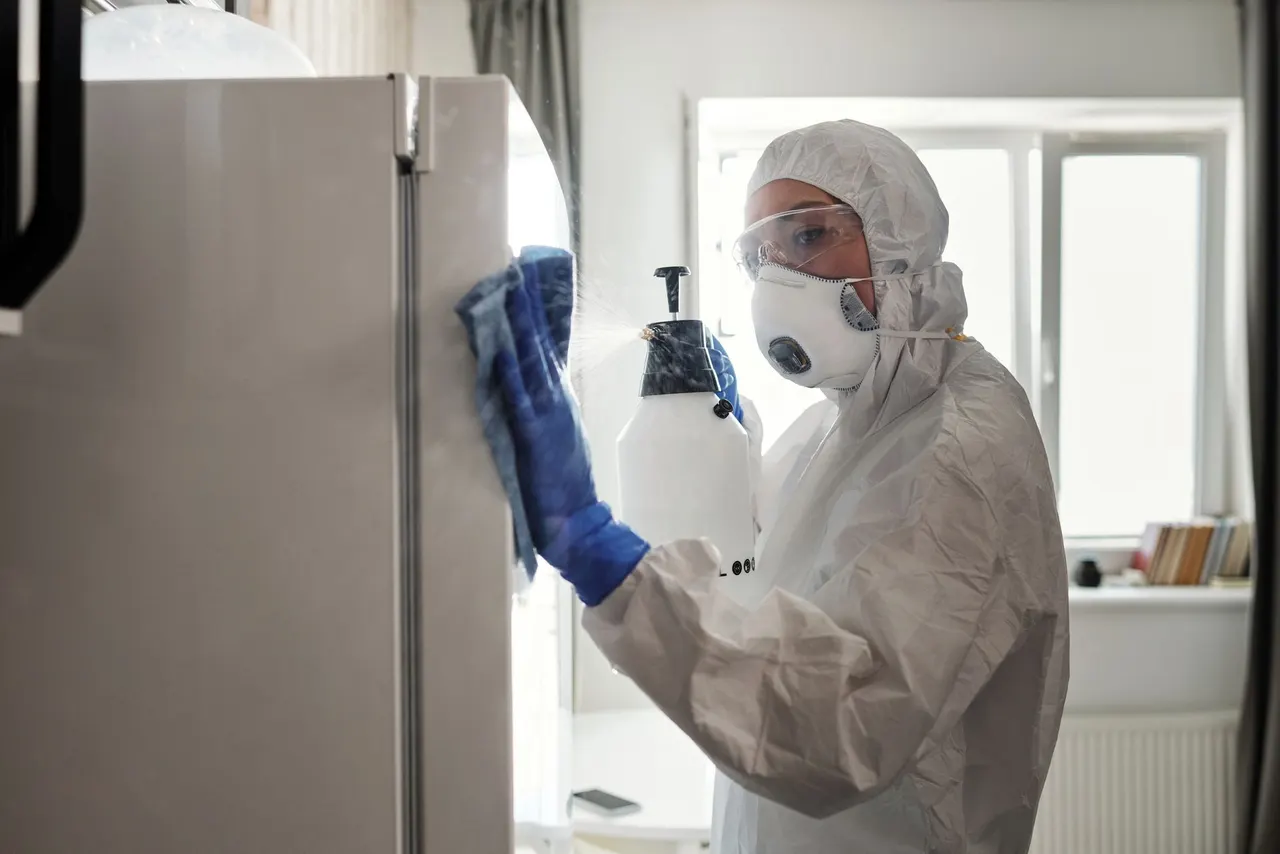
Every job we quote in Brighouse starts with an assessment, because open cell and closed cell foam come out differently and the roof structure underneath decides the method. If you have been searching for Spray Foam Removal Brighouse near me and want someone who can be on your driveway this week, we cover the whole HD6 area. Below is what we actually do here, from single lofts in Rastrick to full warehouse strips near the canal basin.
If you are searching for Spray Foam Removal near Brighouse, we cover every HD6 postcode plus the surrounding villages. Our van is usually in the area several days a week, so we can often assess your loft within 48 hours of your call. Typical jobs are stone terraces in Brighouse Town and semis around Clifton.
View service →02Same day Spray Foam Removal in Brighouse is realistic when the loft is accessible and the foam is open cell. Call before midday and we can often have a technician at your property the same afternoon. We keep the van stocked with the spray foam cutting saw, oscillating multi-tool and industrial vacuum for exactly this.
View service →03Our 24/7 line covers Brighouse for urgent cases, usually water ingress where spray foam is holding moisture against timbers after a burst pipe or a Calder Valley flood event. You call, we answer, and we arrange the earliest safe slot. Emergency work is quoted the same way as planned work, with no out-of-hours premium hidden in the price.
View service →04Most Brighouse work is residential: terraces off the town centre, 1930s semis in Rastrick, and larger detached homes up towards Hipperholme. We remove foam from lofts, roof slopes and cavity walls, then vacuum the void and leave it ready for mineral wool or PIR board. Dust sheets go down before we start and the loft is swept before we leave.
View service →05Brighouse has a working commercial side, from units around the canal basin to workshops off the Huddersfield Road corridor. Commercial spray foam removal here usually means large roof voids, warehouse ceilings and plant rooms where old foam has failed or is trapping condensation. We work around your operating hours, including evenings and weekends, so the business keeps running.
View service →06Loft spray foam removal is our most common Brighouse job. The town's shallow-pitch roofs mean foam was often sprayed directly onto the underside of the roof covering, which blocks ventilation and rots battens. We cut it back, clear the rafters and restore airflow, which is what surveyors and mortgage lenders want to see before they sign off.
View service →07When foam has been applied at roof level in Brighouse, it is usually closed cell and bonded hard to the timbers. We use thermal removal tools and a spray foam cutting saw to take it off without damaging the rafters, then inspect for rot. Any timber damage found gets photographed and reported so your surveyor has a full picture.
View service →08Attic spray foam removal in Brighouse's older properties often reveals the real problem: foam sprayed over soffit vents and eaves, killing cross-ventilation. We remove the foam, clear the vents and check the felt. On mill conversions around Bailiff Bridge, attic voids can be awkward to reach, so we plan access before the job starts.
View service →09Full spray foam insulation removal is what most Brighouse homeowners actually need, not a partial scrape. We take out open cell and closed cell foam, bag it, and dispose of it through licensed waste routes. The loft is then left clean, dry and ready for whichever insulation your surveyor or PAS 2035 assessor recommends.
View service →Spray Foam Removal Brighouse West Yorkshire jobs follow a set sequence: assess, protect, cut, extract, inspect, document. On a typical Rastrick terrace we are on site by 8am, dust sheets and air scrubber in place within half an hour, and cutting underway shortly after. Closed cell foam on a 30 square metre roof void takes most of a day; open cell on the same area is usually done by early afternoon. Brighouse access is the variable. Streets around Brighouse Town and the canal basin have limited parking, so we plan where the van sits before the morning. Mill conversions near Bailiff Bridge sometimes need a tower rather than a ladder. We work to PAS 2035 principles and to the ventilation requirements in Approved Document F, because the whole point of removing foam is restoring airflow through the roof. If you need Spray Foam Removal Brighouse same day, call before midday and we will tell you honestly whether it is achievable or whether tomorrow morning is the realistic slot.
Low roof voids leave almost no working space, so cutting and extraction have to be done from a crouch with short tools. It slows the job and increases the risk of damaging felt and battens if the wrong method is used. We use compact oscillating multi-tools and a low-profile spray foam cutting saw on shallow voids, and we inspect the felt before we start so we know what condition it is in. If the roof covering is fragile, we switch to thermal removal rather than cutting.
After a flood event, spray foam holds water against timbers for months. That accelerates rot and means removal alone is not enough; the structure needs to dry and be treated before any new insulation goes in. We remove the foam, expose the timbers, and take moisture readings across the roof structure. Where readings are high we advise on drying and ventilation before reinstatement, and we document the readings so your insurer or surveyor can see the before-and-after.
Narrow streets and restricted parking near Brighouse Canal Basin mean the van cannot always sit outside the property. Carrying extraction equipment and bagged foam any distance adds time to the job. We confirm access and parking arrangements when we book, and where needed we use a smaller extraction unit that can be carried in stages. On longer carries we bring a second pair of hands at no extra labour charge for the first hour.
Any insulation work following spray foam removal in Brighouse should meet PAS 2035, which requires ventilation and moisture risk to be assessed before new insulation goes in. We work to that framework so the reinstated loft does not recreate the problem you just paid to fix.
Building regulations require adequate roof ventilation. Spray foam commonly blocks eaves ventilation, so removal has to restore airflow at the eaves and ridge. We check and clear vents as part of the job rather than leaving them blocked behind new insulation.
BBA certification tells you whether an insulation product is approved for the way it was installed. Many Brighouse spray foam installations were made outside their BBA scope, which is often why lenders refuse. We document what was installed and how, so you have a clear record.
Brighouse has a particular combination of factors that makes spray foam go wrong more often than in some neighbouring towns: a high proportion of pre-1930 stone housing, shallow roof pitches, and a flood-prone valley floor that keeps moisture levels high. Add the volume of foam installed during earlier insulation schemes and you get a town where removal is a routine job rather than an unusual one. As a Brighouse Spray Foam Removal company, we see the same four problems again and again.
Installers sprayed foam right over the eaves vents to maximise coverage, which is common in Brighouse's shallow-pitch roofs where there is little space to work around. Without airflow, moisture from the house condenses on the cold roof surface and soaks into the timbers. We remove the foam from the eaves zone first, clear and test the vents, then work up the roof slope. Every vent is checked and photographed so you have evidence that airflow has been restored.
When the Calder rises, moisture pushes up through walls and into roof voids. Spray foam acts as a barrier, holding that moisture against the timber instead of letting it evaporate. Brighouse has flooded repeatedly, so this is a recurring issue. We remove the saturated foam, take moisture readings across the structure, and advise on drying before reinstatement. We do not reinsulate a wet roof, because that just recreates the problem a year later.
Lenders and surveyors treat spray foam as a material risk because it conceals timber condition and often falls outside the product's BBA scope. In a market town with a lot of older housing, this stalls sales regularly. We provide a documented removal with dated photographs of the exposed structure, which is what lenders and surveyors actually need. We have helped buyers in Rastrick and Clifton complete on purchases that had been stuck for months.
Injected cavity foam was installed widely across Brighouse and can bridge the cavity, letting damp travel from the outer leaf to the inner wall. It also blocks the cavity's drainage function, so water sits where it should not. We extract the foam, clear the cavity and make good the drill holes. Where the brickwork needs attention we flag it, and we advise on whether the cavity should be left clear or refilled with a breathable system.

Brighouse is compact, but the one-way system and the canal crossings catch people out. We use Brighouse Railway Station and the canal basin as our main reference points when planning routes, and we know which streets around Wellholme Park and Rydings Park have restricted parking. If your property is near Brighouse High School, we avoid booking the school run window because the traffic makes loading and unloading slow. None of this is guesswork; it is the same route planning we do before every job.
A useful orientation point on the north side of town. Properties within a few minutes of the station are easy to reach, and the surrounding streets give us a clear route in from the Halifax Road.
The basin anchors the town centre and helps us locate the surrounding streets quickly. Access around the basin is tight, so we plan parking before arrival rather than circling on the day.
A reliable reference point for the residential streets to the south of the town centre. It helps us group jobs in the same area and keep travel time between them short.
Useful for orienting jobs on the eastern side of Brighouse. Streets around the park are mostly residential with on-street parking, so we confirm access arrangements when booking.
A landmark we use to plan around school-run traffic. Jobs on the surrounding streets are best scheduled outside drop-off and pick-up times so the van can load without blocking the road.
The town centre has a mix of independent shops, pubs and converted upper-floor commercial space. Roof voids above retail units are often accessed from the rear, and several have older spray foam installations that now need removing.
The corridor along the Calder and the canal basin contains workshops, storage units and light industrial buildings. Ceiling and wall-panel spray foam is common here, usually installed for thermal control and now at the end of its useful life.
On the Calder Valley line with direct services towards Halifax, Huddersfield and Leeds. Handy for customers commuting during the day who need us to work while they are out.
The main road route into Brighouse from the motorway network. It shapes our scheduling for larger jobs where we need to bring the extraction van and extra equipment.
We work across the whole of Brighouse and the surrounding villages, from the town centre out to Hipperholme and down to Bailiff Bridge. Postcodes HD6 1, HD6 2 and HD6 3 are all covered, and we are usually in the area several days a week. If you are not sure whether your street is in our patch, call and we will tell you straight away.
The town centre has a dense mix of stone terraces, converted commercial buildings and older properties around the canal basin. Roof voids here are often small and awkward, and spray foam was frequently installed without any ventilation gap. Access can be tight on market days. Our team is in the town centre most weeks, usually within 30 minutes of a booked slot.
Rastrick has a large stock of Victorian and Edwardian terraces and semis, many with closed cell foam in the loft from earlier insulation schemes. It is one of our busiest areas for mortgage-driven removals, particularly around the streets off the Huddersfield Road. Rastrick is a short run from our Brighouse base, typically a same-day or next-morning response.
Clifton mixes older stone housing with newer estates, so we see both open cell foam in modern lofts and closed cell in the older properties. Common issues are foam overspray onto cables and vents, and condensation forming where foam has sealed a cold roof. Clifton sits just south of Brighouse, so we can usually be on site within an hour of confirming.
Hipperholme's larger detached and semi-detached homes often have bigger roof voids, which makes removal quicker per square metre but increases the volume of foam to extract and dispose of. Several properties here have foam board as well as spray foam, which we remove together. Hipperholme is a straightforward run up the A58, usually a next-day booking outside emergencies.
These are the kinds of jobs we run in Brighouse most weeks. They are typical rather than exceptional: a stalled mortgage, a damp loft, a surveyor's report that needs answering. What they have in common is that the customer needed the foam out properly, with documentation, and needed it done without wrecking the roof in the process.
A buyer's mortgage was refused on a Rastrick terrace after a surveyor found closed cell foam sprayed directly onto the underside of the roof covering, blocking all eaves ventilation. We carried out a full loft assessment, then removed the closed cell foam using thermal removal tools to protect the century-old rafters. The eaves vents were cleared, the void was vacuumed, and we photographed the exposed timbers at each stage for the lender. The full removal took just under two days. The lender accepted the photographic evidence, the buyer completed, and the loft was reinsulated with mineral wool to PAS 2035 standards.
A homeowner in Clifton had water staining on the loft ceiling after a winter leak, and the open cell foam had soaked it up like a sponge, keeping the timbers wet for months. We removed the saturated open cell foam, took moisture readings across the rafters, and used an air scrubber and industrial vacuum to clear the residue. Where readings were still high, we advised on drying before any new insulation was fitted. Moisture readings dropped from over 25 percent to under 15 percent within three weeks. The loft was reinsulated and the homeowner avoided the timber rot that was starting to show.
A canal-side warehouse unit near Brighouse Canal Basin had spray foam on the ceiling that had failed and was trapping condensation against the metal deck, causing drips onto stored stock. We worked evenings and weekends so the business could keep operating, removing the ceiling foam in phases using a scissor lift and industrial extraction. The metal deck was cleaned and inspected, and we documented the condition for the building owner. Just over 400 square metres of foam was removed across four evening shifts. The condensation stopped, the stock damage ended, and the owner has since had the ceiling reinsulated with a breathable system.
Brighouse gets a lot of rain and a lot of grey, damp air off the Calder Valley. That shapes when spray foam problems show up and when removal is easiest to carry out. Autumn and winter are when most people notice the symptoms; spring and summer are when the work is quickest and the roof dries out best. If you are planning removal, the season genuinely affects how long the job takes and how well the structure dries afterwards.
Damp staining that built up over winter becomes obvious as the roof starts to dry. This is a good time to assess and remove foam, because timbers dry faster afterwards and any rot is easier to see once the foam is off.
The best conditions for removal in Brighouse. Roof voids are warm and dry, extraction is comfortable for the team, and any moisture readings taken after removal are more meaningful because the structure is not being rained on.
Rain returns and any foam still trapping moisture starts causing problems again. This is when condensation reappears on roof felt and when homeowners in Brighouse start noticing damp smells in the loft.
Cold roofs and warm interiors create maximum condensation, and flood risk along the Calder is highest. Foam that has been borderline all year will usually show its hand in winter, either as damp staining or as a surveyor's flag during a sale.
Brighouse sits in the middle of our service region, which runs from Halifax through the Calder Valley and out towards Huddersfield. We cover the towns and villages below on the same fixed-price basis, and we often combine jobs in neighbouring areas on the same day to keep travel costs down. If you are just outside these, call anyway; we will tell you if we can reach you.

About 10 minutes up the A641. Halifax is our home base, so Brighouse and Halifax jobs are often scheduled on the same day.
Local coverage and details
Roughly 15 minutes west along the Calder Valley. Many Sowerby Bridge customers find us through Brighouse recommendations.
Local coverage and details
A short run south of Halifax, around 15 minutes from Brighouse. Similar stone terrace stock and similar spray foam problems.
Local coverage and details
About 15 minutes from Brighouse via Halifax. Larger Victorian properties with bigger roof voids than the Brighouse terraces.
Local coverage and detailsNot every contractor quoting for spray foam removal in Brighouse will do the job properly. Some will scrape the surface and call it done, which leaves residue behind and does not satisfy a lender. Others will quote low and add costs once they are on site. These are the questions worth asking before you commit, and they are the same ones we are happy to answer.
Lenders and surveyors usually want evidence that the foam is gone and the structure is sound. A contractor who documents the work properly saves you a second inspection and a lot of back-and-forth with your mortgage provider.
Cutting, thermal removal and dry ice blasting all have different uses. A contractor who cannot explain why they are choosing one method over another is likely to default to whatever is fastest, which risks damaging older Brighouse rafters.
A fixed price after assessment is the only quote worth having. If the price depends on what they find on the day with no ceiling, you have no protection. Ask what specifically would trigger a variation and get it in writing.
Foam removal is dusty work, especially closed cell and cavity wall extraction. Sheeting, an air scrubber and a proper clean-down are not optional extras. A contractor who shrugs at this question will leave you cleaning for weeks.
Licensed disposal matters, and so does the environment. Ask where the waste goes and whether any of it is processed rather than landfilled. It tells you whether the contractor is set up properly or cutting corners.
CHAS
Constructionline
TrustMark
NEBOSH
2 million pounds public liability with 10 million pounds employers liability
Member
Member
Most Brighouse lofts run between 900 and 2,500 pounds in 2026, depending on foam type, roof void size and access. Closed cell foam costs more than open cell because it is denser and slower to remove. Cavity wall extraction is priced separately. We assess for free and give you a fixed price before any work starts.
The right answer is whoever documents the work properly and gives you a fixed price after assessment. We have worked across Brighouse since 2022, cover HD6 1, HD6 2 and HD6 3, and provide dated photographs of exposed timbers that lenders and surveyors accept. Ask any contractor for that evidence before you hire them.
Yes. We cover the whole of Brighouse, including Brighouse Town, Rastrick, Clifton, Hipperholme and Bailiff Bridge, plus the surrounding Calder Valley towns. Planned jobs are usually booked within 48 hours, and same-day removal is often possible if you call before midday and the loft is accessible.
You need it if a lender or surveyor has flagged the foam, if you can see damp staining on loft timbers, or if condensation is forming on the roof felt. Foam that blocks eaves ventilation will cause timber problems over time. If you are unsure, book an assessment and we will tell you honestly whether removal is necessary.
Yes, we run a 24/7 line for urgent cases, usually water ingress where foam is holding moisture against timbers after a leak or a Calder Valley flood. Call 01422747049 and we will arrange the earliest safe slot. Emergency work is quoted at the same rates as planned work, with no hidden out-of-hours premium.
Not seeing your question? Our local team can help you understand urgency, scheduling and what to expect.
Ask the local team
Ring 01422747049 or email [email protected] and we will get back to you the same working day. We are on the phone from 8am to 6pm Monday to Friday, and the 24/7 line is always open for emergency call-outs across Halifax. Tell us what you have seen and we will tell you what it needs.