Focused arrival windows
Useful updates and clear arrival timing.

24/7 Spray Foam Removal in Halifax is the emergency extraction service for homes and commercial buildings across West Yorkshire. We cut out failed open cell and closed cell spray foam, clear overspray and restore roof timbers so surveys, remortgages and sales can proceed. Call 01422747049 and a technician is on the road, day or night.
Useful updates and clear arrival timing.
Review the approach and price before deciding.
Equipped vehicles and respectful cleanup.
Neighbors serving neighbors with follow-through.
Every 24/7 removal in Halifax includes the survey, containment, extraction, clean-down and documentation. Add-ons like dry ice blasting, sand blasting or a full insulation upgrade are priced separately after the survey so you only pay for what the job needs.
A technician inspects the loft, rafters, cavity and roof deck, identifies open cell or closed cell foam and checks for damp, rot and ventilation problems. You get a written scope and a fixed price before any cutting begins.
Protective sheeting, a sealed loft hatch, an industrial vacuum and an air scrubber run throughout the job. PPE respirators are worn from the first cut. This keeps foam dust out of living spaces below, which matters in Halifax terraces with open stairwells.
Foam is cut back with a spray foam cutting saw, oscillating multi-tool or thermal removal tools depending on the surface. Rafters are vacuumed and wiped down. Open cell foam comes away faster; closed cell foam is taken back in controlled strips.
All foam, dust, dry ice pellets and abrasive media are bagged and removed the same visit. We separate waste for responsible disposal. You are not left with skips on the drive or bags in the loft to deal with yourself.
You receive photographs of the exposed timbers, notes on foam type and depth, and a written summary of the removal. This is the paperwork Halifax lenders and surveyors ask for when a mortgage has been held up by spray foam.
Share what is happening and receive a clear next step from the local team.
24/7 Spray Foam Removal in Halifax is the controlled extraction of spray foam insulation from lofts, rafters, cavity walls and roof decks, carried out at any hour. We use a spray foam cutting saw and oscillating multi-tool to slice the foam away from timber without gouging the rafters, then an industrial vacuum and air scrubber capture dust and airborne particles. Open cell foam comes out faster than closed cell, but both need the same care around wiring, felt and roof membranes.
Most Halifax calls come from homeowners whose mortgage lender has flagged spray foam during valuation, or from buyers who need Round the clock spray foam removal Halifax West Yorkshire before a sale completes. The town's stone-built terraces and older roofs trap damp and condensation, and foam sprayed directly onto timbers hides rot until it is advanced. If you need 24/7 Spray Foam Removal Halifax near me at short notice, we work evenings, weekends and bank holidays.

Call 01422747049 and we ask what type of foam you have, where it is and why it needs to come out. A mortgage refusal, a damp patch or a surveyor's note all change the approach. We book a site visit, usually same day across Halifax, and confirm the time by text.
A technician inspects the loft, rafters, cavity and roof deck, and tests whether the foam is open cell or closed cell. We check for roof timber rot, cavity wall damp and poor ventilation at the same time. You get a written scope and a fixed price before any cutting starts.
We lay protective sheeting, seal the loft hatch and set up the industrial vacuum and air scrubber. PPE respirators go on before the first cut. Setup takes 20 to 30 minutes on a typical Halifax terrace and keeps dust out of the living space below.
Foam is cut back with a spray foam cutting saw, oscillating multi-tool or thermal removal tools depending on the surface. Open cell foam comes away in large sections; closed cell foam is taken back in strips. A three-bedroom Halifax loft usually takes four to six hours.
We vacuum the timbers, wipe down rafters and bag all waste for removal. You get photographs of the exposed roof structure and a written summary for your lender or surveyor. The loft is left ready for a PAS 2035 compliant insulation upgrade if you want one.
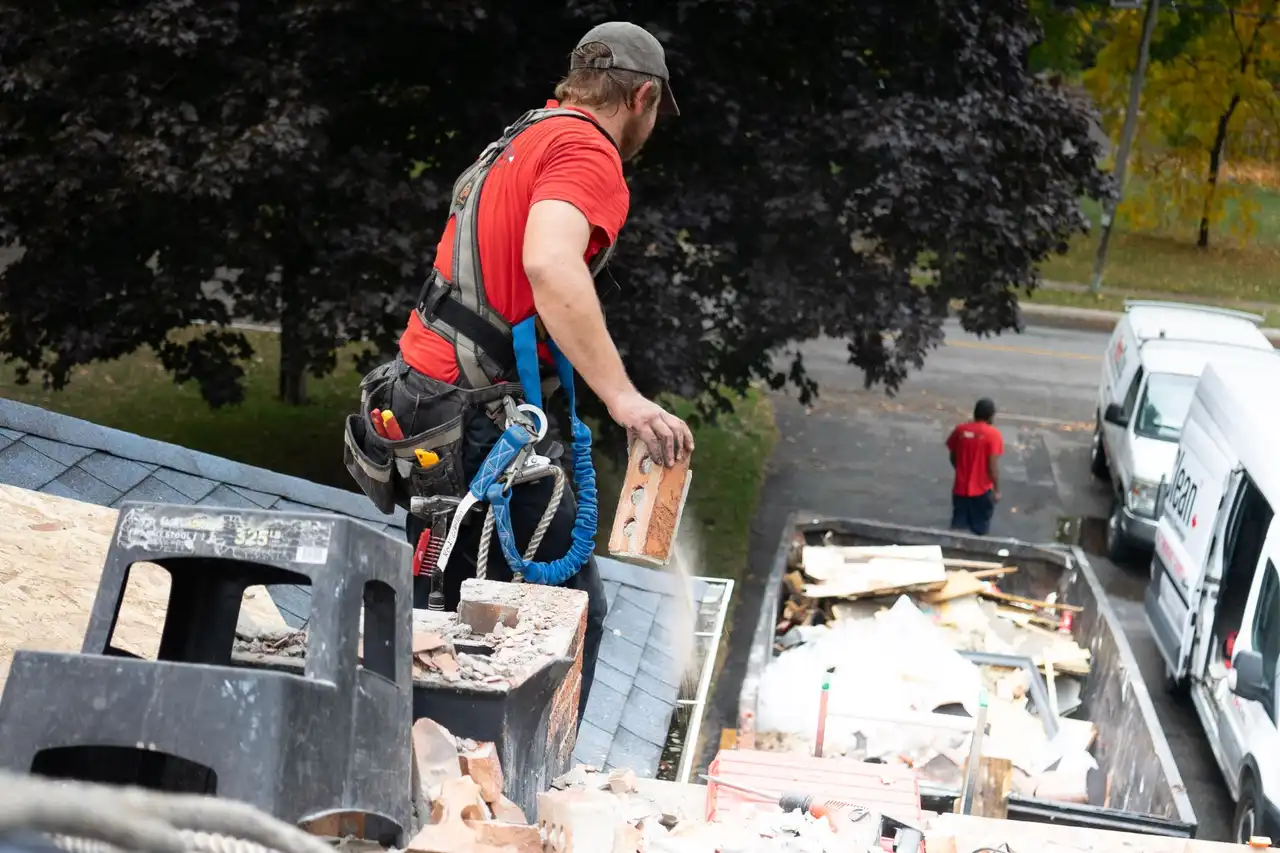
Cuts large open cell and closed cell sections away from rafters and roof decks. Used where access is clear and the foam is thick enough to take a blade safely.
Trims foam close to wiring, felt and membranes where a saw would be too aggressive. The fine blade lets us work within millimetres of cables and roof felt.
Soften the bond between foam and older timber so it can be lifted without gouging the rafter. Preferred on Halifax roof timbers that are already aged or slightly soft.
Fires dry ice pellets at foam residue to freeze and lift it from delicate surfaces. No abrasive media and no water, so it is safe around electrics and membranes.
Strips stubborn foam residue from brick, stone and concrete after the bulk is cut away. Dust is controlled with sheeting, vacuum and air scrubber equipment.
Capture foam dust and airborne particles throughout the job. The scrubber runs continuously so the room below and the stairwell stay clear of dust.
Protects our technicians and your property. Sheeting seals the loft hatch, and respirators are worn from the first cut until the final vacuum pass.
We work to PAS 2035 when assessing and removing insulation, so the roof space is left ready for a compliant upgrade. This is the standard lenders and surveyors increasingly expect to see referenced in removal documentation.
BBA certificates tell us how a foam system was meant to perform and where it commonly fails. We use that to identify problem areas first, which speeds up removal and reduces the risk of missing hidden rot.
On older Halifax roofs we soften the foam bond rather than cutting it cold. This protects rafters that are already carrying a load and may have early signs of rot. It takes longer but avoids structural damage.
Dry ice pellets freeze foam residue so it lifts away without abrasives or water. We use it around wiring, felt and membranes where sand blasting or wet methods would cause problems.

We book a Saturday survey, confirm the foam type and give a fixed price on site. Removal is scheduled for the Sunday so the lender has the documentation by Monday morning. The mortgage application goes back into underwriting without losing the week, and the buyer keeps their original completion date.
We attend the same evening, open up the loft, find foam trapping moisture against the roof deck and remove the affected section. The timbers are checked and photographed. The leak path is exposed and repaired, the damp patch stops spreading and the landlord has a documented record for the insurer.
We survey within 24 hours, price the full roof removal and start work the next morning. Closed cell foam is taken back in strips with oscillating multi-tools to protect the rafters. The roof space is cleared and documented in three days, and the solicitor receives the paperwork needed to keep the sale on track.
We work two night shifts, using industrial vacuum and air scrubber equipment to keep dust contained across the large span. Foam is bagged and removed before the morning shift starts. The ceiling is cleared without a single lost production hour, and the site is left clean for the next inspection.
Halifax sits in a damp valley, and that shapes almost every spray foam job we take. Stone-built terraces in Halifax City Centre and Siddal were never designed for foam sprayed tight to the roof deck, so moisture gets trapped and roof timber rot follows. We see the same pattern in Skircoat Green semis and older properties around King Cross. Most removals here are driven by a mortgage valuation, a damp patch or a surveyor's note, and lenders want the foam gone plus a documented record of the timbers. If you need Round the clock spray foam removal Halifax same day, we can usually survey in the morning and start cutting the same afternoon. Closed cell foam takes longer than open cell, and roof height and access change the price, so the survey matters. We work to PAS 2035 and British Board of Agrément guidance on every job, and we leave the loft ready for a compliant insulation upgrade.
Dense stone terraces with tight loft access and shared stairwells. Containment and dust control matter more here than almost anywhere else we work.
Larger semis and detached homes where closed cell foam was often sprayed across the full roof deck. These jobs take longer and need careful timber protection.
Older properties with aged rafters and limited ventilation. Thermal removal tools are usually the safer option on these roofs.
A mix of period housing and commercial units. We handle both residential lofts and warehouse ceilings here, often on night shifts.
Valley-bottom properties that see high rainfall and persistent damp. Foam removal here is often tied to cavity wall damp and failed surveys.
Moisture sits against the roof deck for longer, so foam that blocks ventilation causes rot faster than in drier parts of West Yorkshire. We check timbers carefully on every Halifax job.
Tight hatches and low headroom slow the work and change the equipment we use. We plan containment around shared stairwells to keep neighbours' properties clean.
Cutting cold risks gouging rafters that are already aged. We switch to thermal removal tools where the timber looks soft or has early rot.
Lenders want removal plus documentation. We photograph exposed timbers and provide a written summary so the case can move back into underwriting quickly.
A three-bedroom terrace in Siddal had open cell foam sprayed across the full roof deck. The lender refused the mortgage at valuation and the buyer was four weeks from losing the purchase. The loft had no ventilation and a damp smell.
We removed the foam in a single day, vacuumed the rafters and photographed the exposed timbers. The lender re-inspected six days later and released the mortgage. The buyer completed on the original date.
Maintenance: We recommended a PAS 2035 compliant insulation upgrade with proper ventilation. The new system keeps the roof deck dry and will not trap moisture the way the old foam did.
A detached home in Brighouse had closed cell foam bonded hard across the entire roof. The surveyor flagged it as a risk and the sale stalled. Two rafters showed early signs of rot under the foam.
We took the foam back in controlled strips over three days using oscillating multi-tools and thermal removal tools. Both affected rafters were exposed and treated. The sale completed two weeks later with full documentation.
Maintenance: The roof space is now ventilated and inspected annually. Keeping the timbers exposed means any future damp shows up early rather than hiding under foam.
A warehouse in Elland had thick closed cell foam across a large ceiling span. The client needed it gone for an insurance inspection but could not stop daytime operations. Dust control was the main concern.
We worked two night shifts with industrial vacuum and air scrubber equipment. The full ceiling was cleared and all foam bagged and removed before the morning shift. No production hours were lost.
Maintenance: The client now has a documented record of the exposed ceiling structure for future inspections. We recommended a scheduled check every 12 months to keep the paperwork current.
Spray foam causes more problems than most people realise. It hides rot, blocks ventilation and stops sales. Here are the issues we deal with most often on Halifax jobs, and what happens if they are left alone.
The purchase stalls, the chain collapses and you may lose survey and legal fees already paid. Lenders often want the foam gone before they will reconsider the loan. We remove the foam, photograph the exposed timbers and provide a written summary your lender or surveyor can act on. Most Halifax cases are ready for re-inspection within 48 hours of the removal finishing.
Moisture cannot escape, so it sits against the roof deck and timbers. Over a winter or two this leads to roof timber rot, musty smells and stained ceilings below. We cut the foam back, check the timbers and roof membrane, and document any rot we find. The loft is left ventilated and ready for a PAS 2035 compliant insulation system that will not trap moisture.
Overspray bonds to cables and felt, making future electrical work difficult and hiding damage. It can also bridge ventilation gaps and make the roof harder to inspect. We use hand tools and thermal removal tools around wiring and membranes rather than a saw. Foam is lifted in sections, cables are checked and the roof space is left clean and inspectable.
Injected cavity foam can bridge the gap and let moisture cross from the outer leaf. This shows up as damp patches on internal walls and failed surveys. We assess the cavity, remove what can be reached and document the condition for your records. Where full removal is not practical, we explain the options and what a lender will accept.
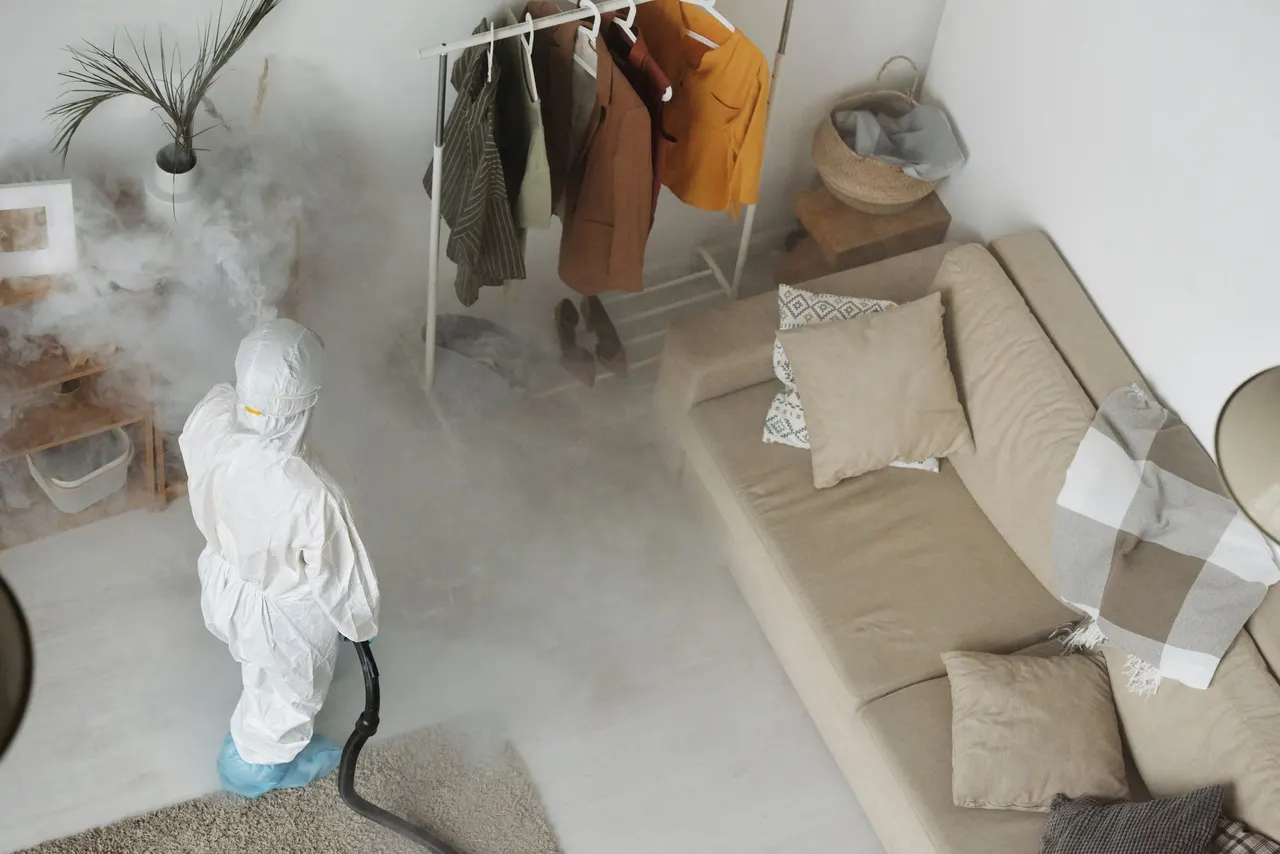
Modern Touch Spray Foam has been removing spray foam insulation since 2022, working across Halifax, West Yorkshire and the surrounding valleys. Our technicians are trained in thermal removal, dry ice blasting and sand blasting methods, and we work to British Board of Agrément guidance on foam performance and PAS 2035 standards for retrofit work. We have cleared foam from stone terraces in Halifax City Centre, rendered semis in Rastrick and warehouse ceilings in Brighouse. Every job is documented for lenders and surveyors.
Typical 2026 pricing in Halifax runs from 650 to 1800 pounds for a standard loft, and 2500 pounds upwards for warehouse or full-roof removals. Closed cell foam costs more to remove than open cell because it bonds harder to timber. Access, roof height and the volume of foam are the main variables. You get a fixed written price after the survey, with no charge for the survey itself.
Yes. We run a genuine 24-hour service across Halifax and West Yorkshire, including evenings, weekends and bank holidays. Emergency call-outs are usually on site within 90 minutes. For planned removals, we can book a same-day or next-day slot. Call 01422747049 and we will confirm the earliest time we can get to you.
Modern Touch Spray Foam is based in Halifax and has offered round the clock spray foam removal since 2022. We cover Halifax City Centre, Sowerby Bridge, Brighouse, Elland, Hebden Bridge and Todmorden. Our technicians work to PAS 2035 and British Board of Agrément guidance, and every removal is documented for lenders and surveyors.
Yes. If foam is collapsing, a roof is leaking through a foam section or a sale is about to fall through, call 01422747049 and we will prioritise the job. Emergency removals are usually started the same day. We bring containment, vacuum and air scrubber equipment on the first visit so the property is left safe and clean.
Not seeing your question? Our local team can help you understand urgency, scheduling and what to expect.
Ask the local teamIf you are searching for spray foam removal near me in Halifax, this is the same crew and the same equipment. We cover the HX postcodes and surrounding towns, and the 24/7 line means you can book a survey at any hour.
View service
Same day spray foam removal in Halifax is available for urgent mortgage and damp cases. Call before midday and we can usually survey and start removal the same day, with the loft cleared and documented before the evening.
View service
Most of our 24/7 work is residential: lofts, rafters and cavity walls in Halifax terraces and semis. We protect carpets, seal the loft hatch and remove all waste the same visit. You get photographs and a written summary for your lender.
View service
We remove spray foam from warehouses, workshops and commercial roofs across Halifax and West Yorkshire. Night and weekend slots let us work around your operating hours. Larger ceilings are handled with industrial vacuum and air scrubber equipment.
View service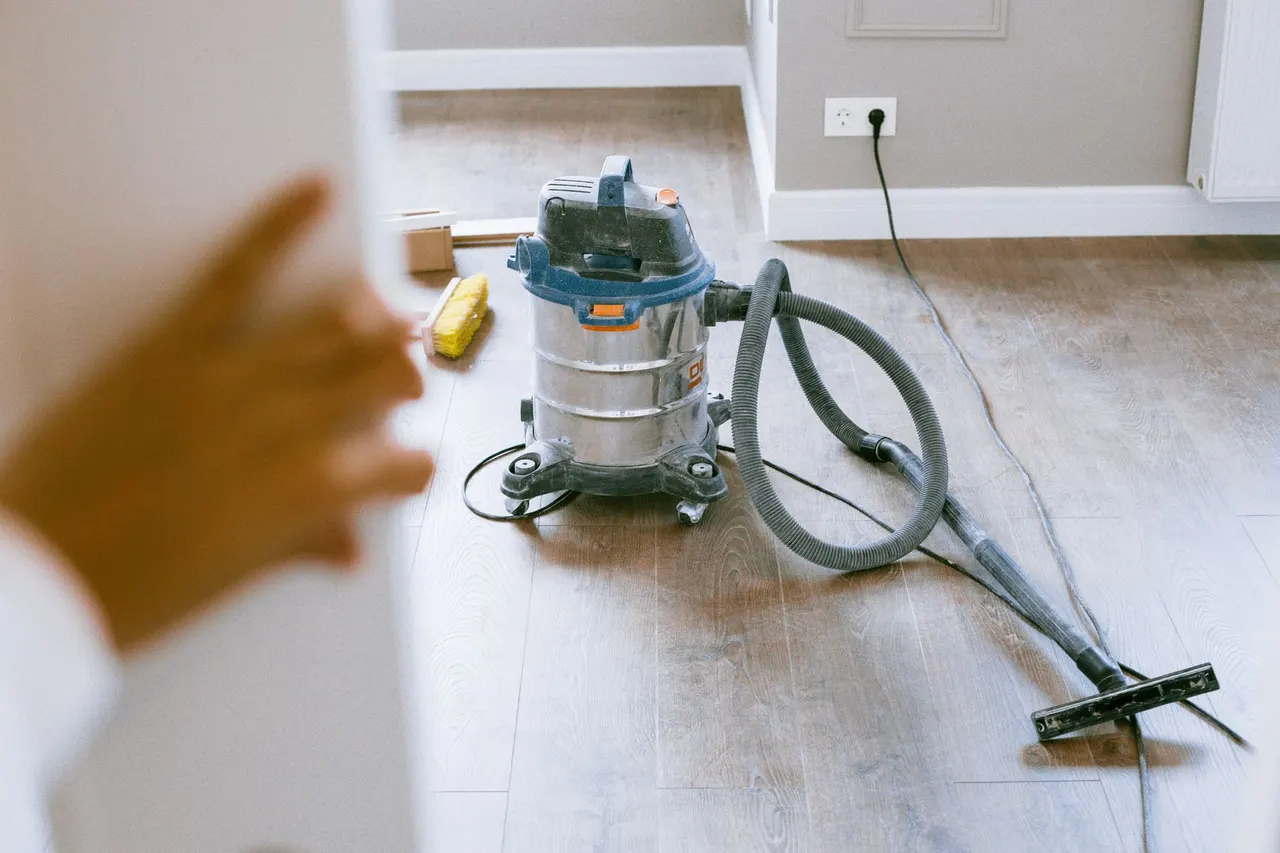
Ring 01422747049 or email [email protected] and we will get back to you the same working day. We are on the phone from 8am to 6pm Monday to Friday, and the 24/7 line is always open for emergency call-outs across Halifax. Tell us what you have seen and we will tell you what it needs.