Focused arrival windows
Useful updates and clear arrival timing.
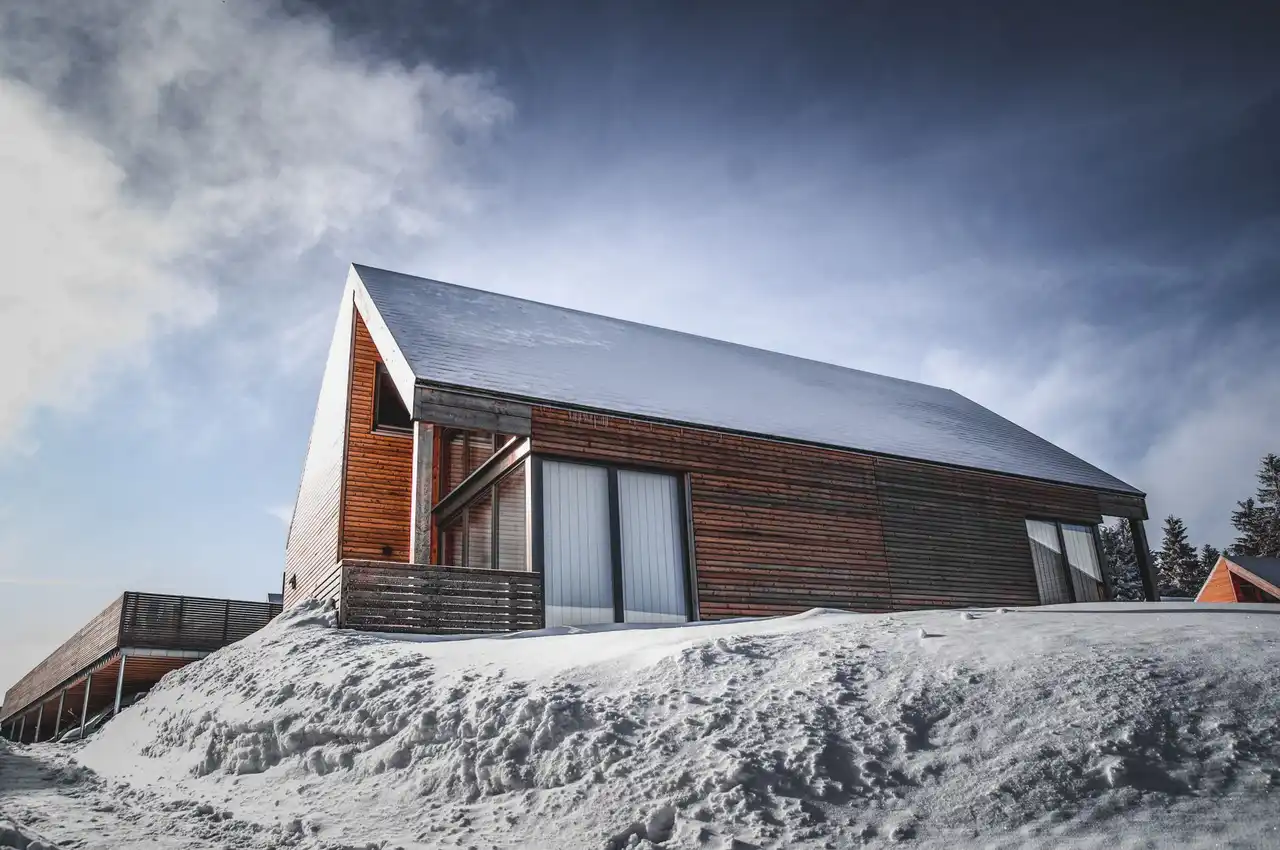
Commercial Spray Foam Removal in Halifax is what we do every week across West Yorkshire. From warehouse ceilings in Brighouse to loft voids in Sowerby Bridge, we strip out failed Icynene, Lapolla and Demilec foam that has cracked, trapped damp or blocked a mortgage. Our team works with dry ice blasting and industrial vacuums, leaving timbers clean and lenders satisfied. Same-day quotes, no-obligation assessments.
Useful updates and clear arrival timing.
Review the approach and price before deciding.
Equipped vehicles and respectful cleanup.
Neighbors serving neighbors with follow-through.
Every Commercial Spray Foam Removal in Halifax job includes the full strip-out, clean-down and paperwork. We do not charge extra for the things that make the job safe and the report acceptable to a lender. Here is what you get as standard, and what we would quote separately if your property needs it.
Cutting, blasting and hand-finishing of all accessible spray foam from roof timbers, ceilings, cavity walls and loft decks. We work to the full extent of the foam, not just what is visible from the hatch.
Containment sheeting, industrial vacuum and air scrubber run throughout the job. We do not leave foam dust on your floors, in your stock or in neighbouring rooms.
Every exposed timber is checked for rot, damp and historic damage once the foam is off. We photograph anything that needs a follow-up trade and flag it in writing.
A written report with before, during and after photographs, foam type identification, disposal records and ventilation confirmation. Sent to your lender or surveyor the same day if needed.
All removed foam and blasting media is bagged, transported and disposed of through licensed waste carriers. You receive the disposal paperwork as part of the handover pack.
Share what is happening and receive a clear next step from the local team.
Commercial Spray Foam Removal in Halifax is the controlled stripping of cured polyurethane foam from roof timbers, cavity walls, warehouse ceilings and loft decks, followed by cleaning, ventilation checks and disposal. We cut the bulk out with a spray foam cutting saw and oscillating multi-tool, then blast the residue off with a dry ice blasting machine or abrasive media where the foam has bonded hard. Every job ends with an industrial vacuum pass and an air scrubber run so no dust or foam particles are left behind.
Most Halifax calls come from one of three scenarios: a mortgage lender has refused to lend on a property with spray foam under the roof, a landlord has found damp and condensation tracking through cavity wall insulation, or a warehouse owner needs an old closed cell spray foam layer removed before a re-roof. If you have been searching for Commercial Spray Foam Removal Halifax near me and need a straight answer on cost, we will assess the property and give you a fixed figure the same day.

We visit, measure the foam coverage, identify whether it is open cell spray foam or closed cell spray foam, and check access for ladders, scaffold or MEWP. You get a written fixed quote within 24 hours. For Halifax Commercial Spray Foam Removal on a tight deadline, we can often assess the same day you call.
On day one we sheet off the work zone, seal vents and doorways, and position the air scrubber and industrial vacuum. In occupied commercial buildings around King Cross and Pellon this keeps dust out of trading areas. Setup usually takes 60 to 90 minutes depending on ceiling height.
We cut the bulk foam with a spray foam cutting saw, then blast the bonded residue with a dry ice blasting machine or abrasive media where the polyurethane foam has cured hard. A two-person crew clears roughly 40 to 60 square metres of roof deck per day. Roof timber rot and overspray are flagged as we go.
Once the foam is off, we vacuum every surface, run the air scrubber, and inspect the timbers for damp, condensation damage or historic rot. You receive photographs of the cleared void and a note of anything that needs a follow-up trade, such as a roofer or joiner.
We walk the site with you, hand over the removal report and disposal paperwork, and confirm ventilation is restored. Most Halifax jobs are completed in one to three days. If a mortgage lender needs the report sent directly, we do that the same afternoon.

Freezes closed cell spray foam so it releases from roof timber without gouging the wood. Preferred method on older Halifax properties with delicate rafters.
Strips hard bonded polyurethane foam from brick, stone and steel where cutting tools cannot reach. Used on warehouse ceilings and cavity wall faces.
Cuts the bulk of the foam away quickly, reducing the volume that has to be blasted or hand-finished. Cuts job time by roughly a third on large decks.
Gets into corners, around trusses and along the edges of roof decks where a saw will not fit. Essential for a clean finish at the margins.
Captures foam dust and airborne particles throughout the job. Keeps occupied buildings usable and stops dust migrating into neighbouring rooms.
Full-face respirators for every crew member. Spray foam dust and blasting media are not something you want in your lungs.
Our removal procedures follow PAS 2035 so the work is documented to a standard lenders, surveyors and retrofit coordinators recognise. This matters most on Halifax properties going through a mortgage or a funded retrofit.
Dry ice pellets freeze the foam surface, causing it to crack and release from the substrate. No abrasive media, no water, no secondary cleanup. Ideal for closed cell foam on timber and steel.
For foam bonded hard to brick, stone or steel we use abrasive media. It removes the foam and leaves the surface ready for inspection or re-insulation.
Controlled heat softens the foam before cutting, which is gentler on historic timbers and delicate building fabric. Used on older Halifax stone properties where aggressive methods would cause damage.
We assess the property, confirm the foam type, and give a fixed quote for full removal plus a lender-ready report. Work is usually scheduled within a week of instruction. The report goes to the lender, the surveyor signs off, and the sale completes. Most Halifax cases resolve within three to four weeks.
We run night shifts to avoid disrupting operations, use dry ice blasting on the steel deck, and contain the whole work zone so racking and stock stay clean. Foam removed in five nights, roof deck ready for the roofing contractor, and no lost shifts for the warehouse.
We remove the cavity wall spray foam, clear the cavity, and check the internal walls for damp and timber damage. Tenants stay in during the work. Cavity clear and drying, damp patches treated, and the properties re-insulated correctly without foam.
We strip the open cell foam with hand tools and thermal methods, vacuum the void, and confirm the timbers are sound before the retrofit team moves in. Retrofit proceeds on schedule with a clean, compliant substrate and no foam residue left behind.
Halifax has a particular mix of building stock that shapes how we work. Stone-built terraces in Savile Park and Siddal often have foam sprayed into roof voids that were never designed to be sealed, and the stone holds moisture in a way modern brick does not. Victorian and Edwardian properties around Skircoat Green and King Cross frequently have cavity wall insulation that has bridged and started pulling damp through. On the commercial side, the industrial estates around Brighouse, Elland and Greetland have warehouses with closed cell spray foam on steel decks that has been there for a decade or more. West Yorkshire weather does the rest: driving rain, cold winters and humid summers push moisture into any void that cannot breathe. If you need Business spray foam removal Halifax West Yorkshire on a fixed deadline, we will tell you honestly on the phone whether we can meet it. For Commercial Spray Foam Removal Halifax 24/7 on commercial sites, we work nights and weekends where access allows.
Large Victorian terraces with roof voids that were often foam-sprayed in the 2000s. Common lender refusal area, and one of our most frequent Halifax jobs.
Stone-built properties close to the canal, where damp and condensation are a recurring issue. Cavity wall foam removal is common here.
Industrial estate and warehouse units with large closed cell spray foam ceilings. We run night shifts to avoid disrupting operations.
Older stone cottages where thermal removal methods are preferred to protect historic timbers and building fabric.
Moisture tracks into any void that cannot breathe. Foam-sealed roof spaces in Halifax are far more likely to develop condensation and timber rot than in drier parts of the country.
Stone holds moisture and releases it slowly. Cavity wall foam traps that moisture and pushes it inward, which is why we see so many damp patches in Halifax stone terraces.
Foam expands and contracts with the temperature, cracking over time. Cracks let moisture in, which is the start of the rot cycle we are called out to stop.
Aggressive removal methods can damage old timbers and stonework. We use thermal and dry ice methods on these properties to protect the building.
A 1900s Halifax terrace with closed cell spray foam across the entire roof deck. The buyer's lender refused to lend, the sale had stalled for two months, and condensation was forming on the underside of the slates.
Foam fully removed in two days. Roof timbers exposed, inspected and found sound. Removal report with photographs issued to the lender the same afternoon. The sale completed three weeks later.
Maintenance: Keep the roof void ventilated and check annually for any sign of damp on the timbers. If you re-insulate, use a breathable system that does not seal the void.
A 600 square metre warehouse ceiling with failing closed cell spray foam on the steel deck. Foam was cracking, trapping damp, and the owner needed it gone before a re-roof.
Foam removed over five night shifts using dry ice blasting. Steel deck cleaned and inspected, racking untouched, no lost shifts. Roofing contractor started on schedule the following Monday.
Maintenance: Have the steel deck inspected every two to three years. If you re-insulate, use a system designed for commercial roof decks that allows the structure to breathe.
Two rental properties with cavity wall spray foam that had bridged the cavity. Damp patches were appearing on internal walls, and the landlord was facing a full replaster if it was left any longer.
Cavity foam removed from both properties in four days. Cavity cleared and drying, damp patches treated and allowed to dry out. Tenants stayed in throughout, and both properties were re-insulated correctly.
Maintenance: Check internal walls each winter for new damp patches. Keep external stonework in good repair so water runs off rather than soaking in.
Spray foam that was installed to fix one problem often creates three more. Here are the issues we are called out to resolve most often across Halifax and West Yorkshire, and what happens if they are left alone.
The sale stalls, the chain collapses, and you may lose your buyer. Lenders treat spray foam as a structural and damp risk until it has been removed and documented. We strip the foam, clear the roof void, and produce a removal report with photographs that Halifax surveyors and lenders accept. Most buyers complete within three to four weeks of the report being issued.
Foam bridges the cavity, moisture cannot drain, and damp patches appear on internal walls. Left long enough, it damages plaster, skirting and floor joists. We remove the cavity wall spray foam, clear the cavity, and check the wall for damp and timber damage. Once the cavity is clear, the wall can dry out and be re-insulated correctly.
Foam stops the roof breathing, condensation forms on the underside of the slates, and the battens and rafters start to rot. Repair costs rise the longer it is left. We remove the foam with dry ice blasting or thermal methods, expose the timbers, and flag any rot for a joiner. Catching it early usually means treating the timber rather than replacing it.
Foam sealed into a roof void stops air movement. In summer the space overheats, in winter condensation forms, and the building never performs the way it should. Removal restores ventilation. We clear the void, confirm airflow, and advise on compliant insulation options that will not repeat the problem.
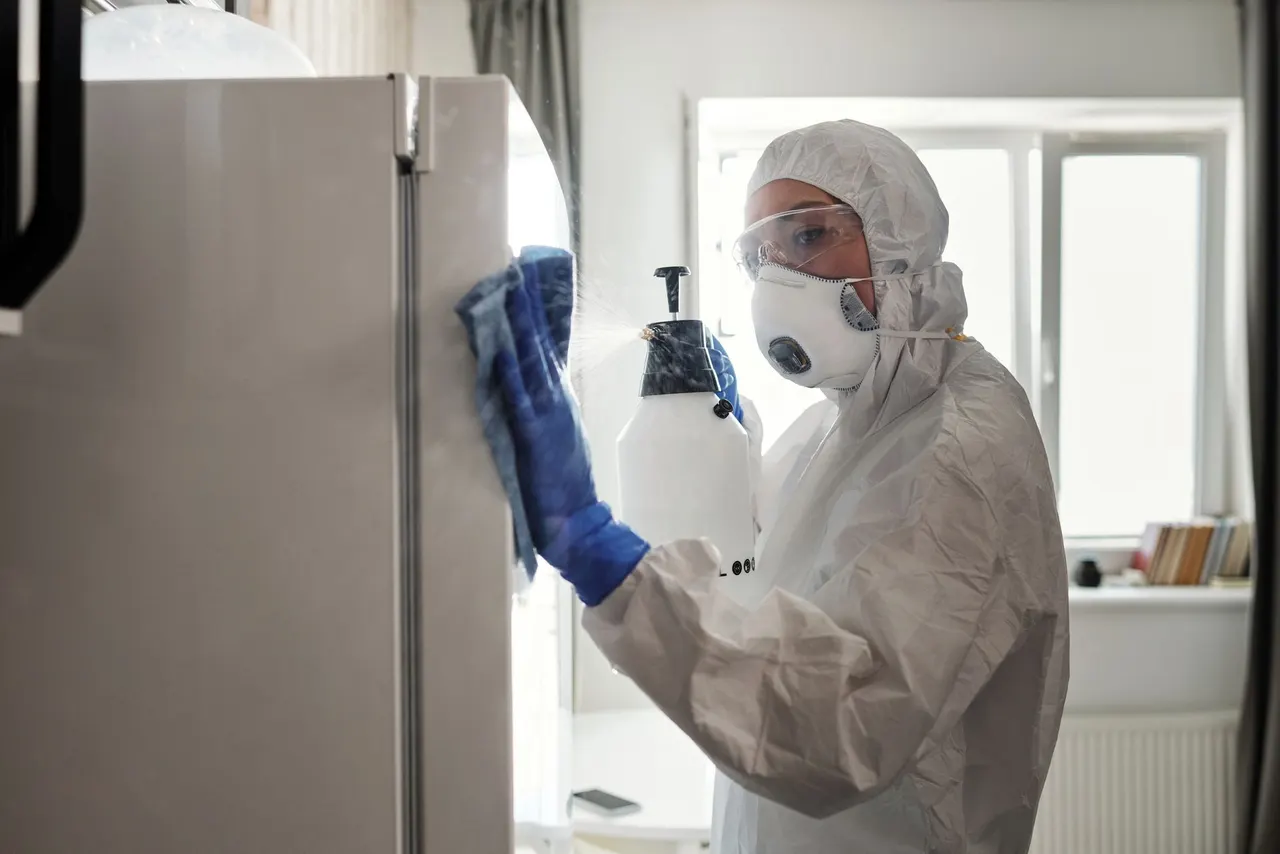
Modern Touch Spray Foam has been removing spray foam since 2022, working from Halifax across West Yorkshire. In four years we have cleared foam from Victorian terraces in Savile Park, stone-built mills around Hebden Bridge, and modern warehouse units in Brighouse. Our technicians hold NEBOSH and CHAS accreditation, and we work to PAS 2035 standards on every insulation removal job. We know the difference between Icynene, Lapolla, Demilec, BASF and Huntsman foam on sight, and we know which removal method each one needs.
Typical 2026 pricing in Halifax runs from 450 to 1,200 pounds for a domestic loft and 1,800 to 3,200 pounds for a 100 square metre commercial roof deck. Cost depends on foam type, thickness, access and disposal volume. Closed cell spray foam is denser and slower to remove than open cell, so it sits at the higher end. We give a fixed written quote after a site assessment, usually within 24 hours.
Look for a firm that works to PAS 2035, holds CHAS or NEBOSH accreditation, and provides a written removal report your lender will accept. Modern Touch Spray Foam has been removing spray foam across Halifax since 2022, uses dry ice blasting and industrial vacuum equipment, and prepares lender-ready reports the same day. Ask any contractor for photographs of previous Halifax jobs before you book.
Yes. We cover Halifax and the whole of West Yorkshire, including Sowerby Bridge, Brighouse, Elland, Hebden Bridge and Todmorden. Commercial premises, warehouses, shops and rental properties are all within our normal working area. For urgent jobs we can often arrange Business spray foam removal Halifax same day, subject to crew availability.
You need it if a mortgage lender has refused to lend, if surveyors have flagged spray foam under the roof, if you have damp and condensation tracking through cavity wall insulation, or if roof timber rot is developing beneath the foam. Foam that has cracked, shrunk or trapped moisture should come out. We offer a no-obligation assessment to confirm whether removal is genuinely necessary.
Not seeing your question? Our local team can help you understand urgency, scheduling and what to expect.
Ask the local team
If you have been searching for spray foam removal near me, we cover Halifax and every surrounding village. Same team, same equipment, same fixed pricing whether you are in Siddal or Shelf.
View service
Completion dates move fast. When a Halifax sale depends on foam coming out this week, we rearrange crews to fit same day spray foam removal where access and scope allow.
View service
Warehouses and commercial units in Halifax often cannot shut down during trading hours. We run 24/7 spray foam removal for out-of-hours stripping in Elland, Brighouse and the surrounding industrial estates.
View service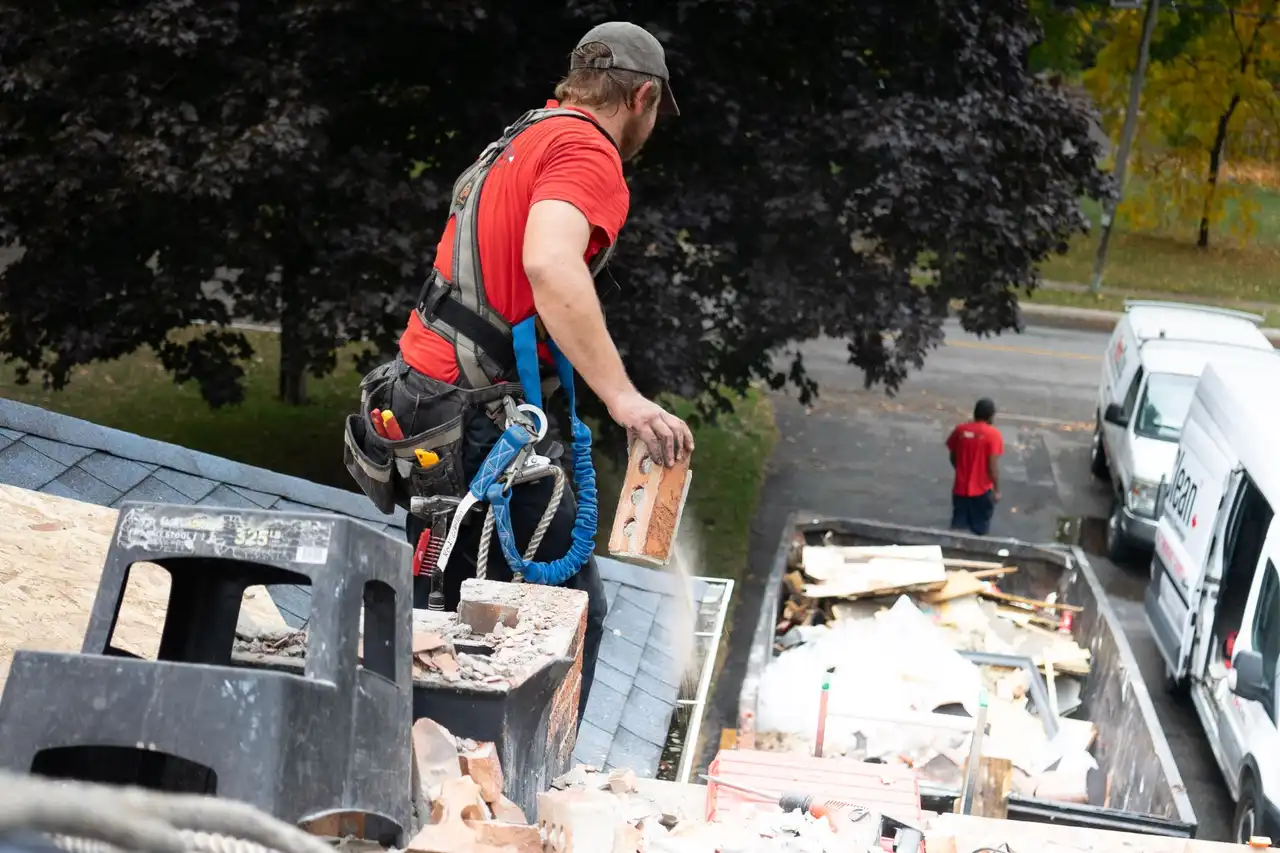
Most Halifax foam problems are domestic. Residential spray foam removal covers lofts, attics, roof voids and cavity walls in terraces, semis and stone-built cottages across Calderdale.
View service
Ring 01422747049 or email [email protected] and we will get back to you the same working day. We are on the phone from 8am to 6pm Monday to Friday, and the 24/7 line is always open for emergency call-outs across Halifax. Tell us what you have seen and we will tell you what it needs.