Focused arrival windows
Useful updates and clear arrival timing.

Dry Ice Blasting Spray Foam Removal in Halifax is the cleanest way to strip failed open cell and closed cell spray foam from lofts, rafters and cavity walls without wrecking the timber underneath. We cover Halifax City Centre, Sowerby Bridge, Brighouse and the surrounding West Yorkshire valleys. If a mortgage lender has flagged spray foam, or your loft is sweating and rotting, call 01422747049 and we will assess it this week.
Useful updates and clear arrival timing.
Review the approach and price before deciding.
Equipped vehicles and respectful cleanup.
Neighbors serving neighbors with follow-through.
Every Halifax removal includes the survey, the dry ice blasting, the clean-up and the report. We do not charge extra for disposal or documentation. If you want new insulation fitted afterwards, we quote that separately so you can see exactly what you are paying for.
We inspect the foam, measure coverage, check ventilation and photograph the loft. You get a fixed written price the same day, usually within two hours. If removal is not necessary, we tell you straight away.
We remove open cell and closed cell spray foam from rafters, felt and brickwork using dry ice blasting at 120 to 150 psi. A typical 50 square metre Halifax loft takes four to six hours, with hourly inspections to protect the timber.
Every fragment of foam, dust and residue is pulled out with an industrial vacuum and air scrubber. We wipe down rafters and check the cavity with a borescope so the loft is clean enough to walk through in normal clothes.
We bag, label and dispose of every kilo of removed polyurethane foam through licensed waste carriers. You get disposal notes with your report, which is what lenders and surveyors ask for when foam has been removed.
Your report includes before and after photographs, foam quantities, removal method and disposal confirmation. It is written for mortgage lenders and surveyors, and we have never had one rejected.
We check the ventilation gap, roof felt and cavity, then tell you what needs improving to stop damp returning. If you want replacement loft insulation, we quote it separately with no pressure to proceed.
Share what is happening and receive a clear next step from the local team.
Dry Ice Blasting Spray Foam Removal in Halifax uses compressed air to fire soft dry ice pellets at the foam at roughly -78°C. The pellets freeze the polyurethane foam until it turns brittle, then the impact shatters it away from rafters, felt and brickwork. Because the media sublimates back to gas, there is no grit, no water and no chemical residue left in your loft. We follow with an industrial vacuum and air scrubber, then bag and label every kilo of removed foam for licensed disposal.
Most Halifax jobs we quote are not about bad foam, they are about bad paperwork. Lenders and surveyors flag Icynene, Lapolla or Demilec foam sprayed between rafters because it traps damp against roof timbers and blocks ventilation. We also get called to cavity wall insulation that has slumped and bridged the cavity, causing damp and condensation on internal walls. If you have searched Dry Ice Blasting Spray Foam Removal Halifax near me, we cover the whole HX postcode area and can usually survey within 48 hours.
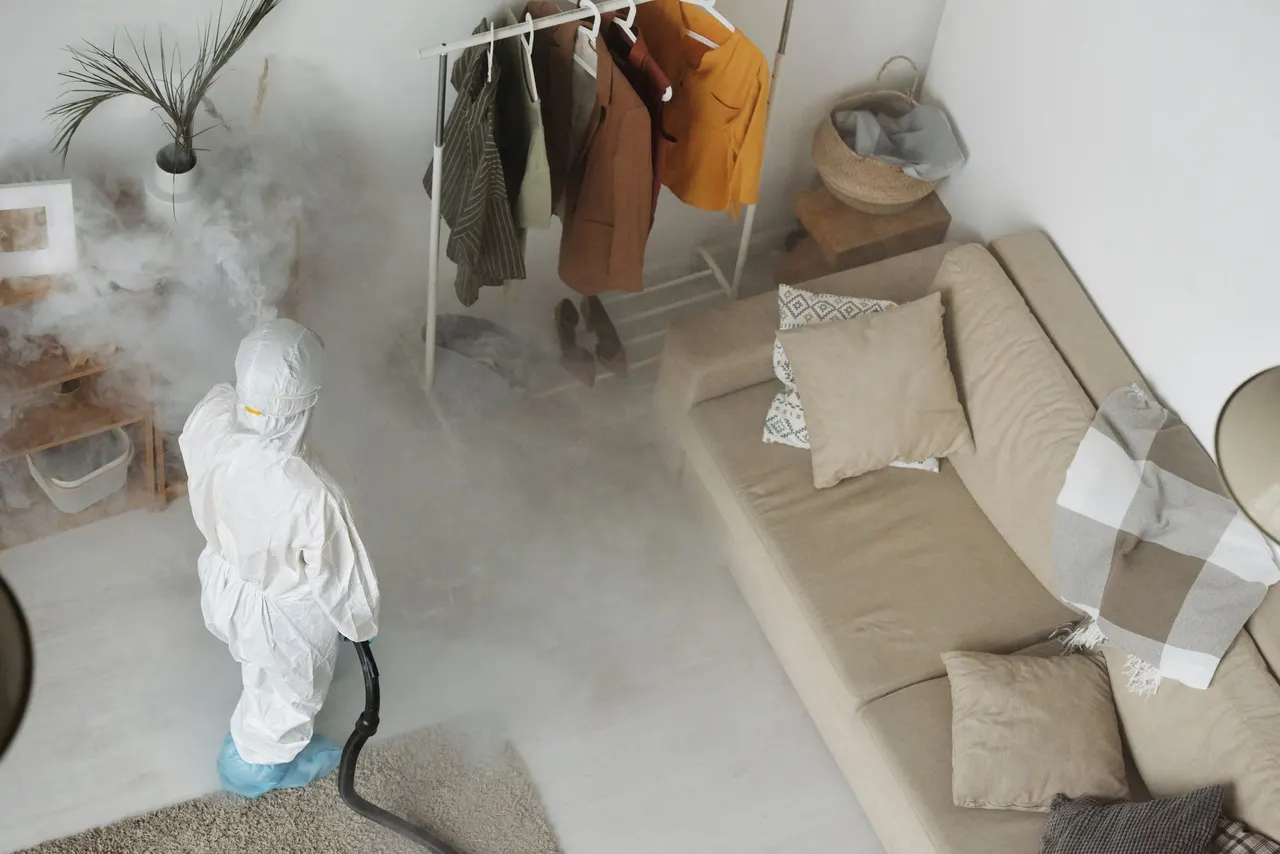
We inspect the loft, measure the foam coverage, check ventilation and photograph everything. You get a fixed written price the same day, usually within two hours of the visit. If the foam is sound and only a ventilation issue, we will tell you that instead of selling you a removal you do not need.
We lay dust sheets, seal loft hatches and set up negative air pressure so no debris travels into your living space. A two-person crew masks up with PPE respirators and confirms the isolation valves before the blasting machine is connected. Setup takes about 45 minutes on a standard Halifax semi.
We run the dry ice blasting machine at 120 to 150 psi, working rafter by rafter. The foam freezes, shatters and drops. A typical 50 square metre loft takes four to six hours. We stop and inspect every hour so we never cut into felt or timber we are trying to save.
An industrial vacuum and air scrubber pull out every fragment of foam, dust and dry ice residue. We wipe down rafters and inspect the cavity with a borescope. The loft is left clean enough to walk through in normal clothes, usually the same day the blasting finishes.
You get a dated removal report with before and after photographs, foam quantities and disposal notes. We walk you through ventilation improvements and, if you want, quote for replacement loft insulation. Most Halifax customers use that report directly for their mortgage lender.
Fires dry ice pellets at around -78°C to freeze and shatter spray foam from rafters, felt and brickwork without damaging the surface underneath.
Pulls out foam fragments, dust and dry ice residue, and filters the air so nothing travels into your living space during the job.
Heated cutting tools for edges, corners and foam bonded to pipework or cables where blasting would be too aggressive.
Cuts through thicker closed cell foam and trims it back around timbers, water tanks and awkward joints before blasting.
Protects our technicians and your property. We seal loft hatches and lay sheets so no debris reaches your rooms.
Lets us inspect cavities and hidden areas after removal to confirm all foam has gone and ventilation is clear.
The primary method for internal foam removal. Dry ice pellets freeze the polyurethane foam until it turns brittle, then the impact shatters it away. Because the media sublimates, there is no grit, water or chemical residue left behind, and timbers stay intact.
We assess ventilation, insulation and moisture risk to PAS 2035 standards before and after removal. This is the framework lenders and surveyors recognise, and it shapes our recommendations on replacement insulation.
We work to British Board of Agrément guidance on foam removal and ventilation, which sets out how foam should be removed and how roof spaces should be left to prevent damp returning.
Every kilo of removed polyurethane foam is bagged, labelled and disposed of through licensed waste carriers. You get disposal notes with your report, which is what lenders and surveyors ask for.

We survey the loft, remove the foam with dry ice blasting and provide a dated removal report with photographs. We can usually fit the work around your buyer's timescales, and we have done this for sales in Savile Park, Skircoat Green and Northowram. The lender accepts the report, the sale proceeds, and you have documentation proving the foam has gone and the timbers are sound.
We remove the foam, check the roof felt and ventilation, and confirm whether the damp is from blocked ventilation or a roof defect. If new insulation is needed, we quote it separately. The damp patch dries out, the loft smells clean, and the property passes its next inspection without a foam-related issue.
We book a survey within 48 hours, give a fixed price, and complete the removal in a day for a standard loft. The report goes straight to the lender with before and after photographs. The valuation goes ahead, the remortgage completes, and you have a documented removal for your records.
We phase the work around your operating hours, use dry ice blasting to keep dust down, and remove foam from ceiling panels and wall sections. Disposal is fully documented. The unit is clear and ready for the new tenant, with a report showing the foam has been removed and disposed of correctly.
Halifax sits in a damp, west-facing valley, and that shapes almost every foam removal job we do. Roof spaces here take the brunt of driving rain and cold air off the Pennines, so foam sprayed directly onto felt traps moisture against the timbers. We see more roof timber rot in Halifax than in sheltered towns, and more condensation on felt in older terraces where ventilation was already marginal. Local housing stock ranges from Victorian stone terraces in Savile Park and Skircoat Green to 1970s semis in Mixenden and Illingworth, and the foam was often installed by different contractors with different standards. We check every loft against British Board of Agrément guidance and PAS 2035, and we photograph the timbers before and after so your lender has what it needs. If you need Cryogenic spray foam removal Halifax same day, call before noon and we can often be on site that afternoon.
Victorian stone terraces with steep roofs and limited loft access. Foam here is often closed cell and bonded hard to rafters, so we allow a full day per loft.
1970s semis with felt directly on rafters and minimal ventilation. These lofts show condensation quickly, so we check and restore the ventilation gap as part of the removal.
Valley-bottom housing that takes more damp than higher ground. We often find cavity wall foam that has slumped and bridged, causing damp on internal walls.
A mix of older terraces and newer estates. Foam types vary street by street, so we survey each property individually rather than quoting from a template.
Moisture gets into roof spaces more easily in Halifax than in sheltered areas. Foam that blocks ventilation traps it against timbers, which is why we always check and restore airflow after removal.
Stone walls and slate roofs behave differently from modern construction. We adjust blasting pressure and method so we remove foam without damaging older timbers or felt.
Common in Halifax lofts, this leaves no ventilation gap. Foam sprayed onto felt is the most likely to cause rot, so these jobs get extra inspection time and photographic evidence.
Open cell and closed cell foam need different blasting pressures and timescales. We survey each loft individually so the price and schedule match the actual foam, not an average.
A 1900s stone terrace with closed cell foam sprayed between every rafter and onto the felt. The lender had declined the mortgage, and the surveyor noted possible timber rot. Access was tight, with a small hatch and no boarding.
We removed 42 square metres of closed cell foam in a single day using dry ice blasting. The rafters came back clean, with no rot found. The dated report and photographs went to the lender, and the sale completed four weeks later.
Maintenance: We recommended leaving the loft clear and fitting breathable insulation between the rafters, keeping the ventilation gap open. An annual check of the felt and timbers is enough to catch any damp early.
Open cell foam sprayed directly onto roof felt, with condensation running down the felt every winter. The upstairs landing ceiling had a damp patch, and the loft smelled musty. The homeowner was remortgaging and needed the foam gone before valuation.
We removed 38 square metres of open cell foam in five hours and restored the ventilation gap. The damp patch dried out within a week, and the musty smell cleared. The lender's valuer passed the property after seeing our report.
Maintenance: We advised fitting lap vents and keeping the loft hatch slightly ventilated. A quick check each autumn, before the wet weather arrives, keeps condensation from returning.
Cavity wall foam that had slumped and bridged the cavity, causing damp patches on the internal walls of a valley-bottom terrace. Blown plaster in two rooms, and the homeowner was worried about further damage before selling.
We removed the foam using thermal tools and dry ice blasting, then checked the cavity with a borescope. The damp patches dried out over three weeks, and the plaster was repaired. The property sold without a foam-related issue on the survey.
Maintenance: We recommended leaving the cavity clear and monitoring the internal walls for any new damp. If re-insulation is wanted later, it should be done with a breathable, cavity-appropriate product.
Spray foam causes more problems in Halifax lofts than most homeowners realise. Here are the ones we see most often, and what we do about them.
Your sale or remortgage stalls, and you may lose your buyer or face a lower valuation. Lenders treat spray foam as a risk because it hides damp and rot in roof timbers. We remove the foam with dry ice blasting, document the timber condition with photographs and provide a dated removal report. Lenders and surveyors accept our reports, and most Halifax sales complete within a few weeks of removal.
Foam sprayed onto felt blocks the ventilation gap, so moisture cannot escape. Over time you get wet felt, musty smells upstairs and eventually roof timber rot. Dry ice blasting removes the foam without tearing the felt. We then check and restore the ventilation gap so air moves again. Most Halifax customers see condensation stop within days of removal.
Foam that bridges the cavity lets damp travel from the outer wall to the inner leaf. You get damp patches on internal walls, blown plaster and higher heating bills. We remove cavity wall spray foam using thermal tools and dry ice blasting, then advise whether the cavity should be left clear or re-insulated. We check for damp and condensation before and after the work.
Foam bonded to cables, pipes and water tanks makes maintenance difficult and can hide leaks. Scraping it off risks damaging the services underneath. We use thermal removal tools and an oscillating multi-tool around pipework and cables, then dry ice blast the surrounding areas. Services are left clean and accessible, and we photograph everything before and after.
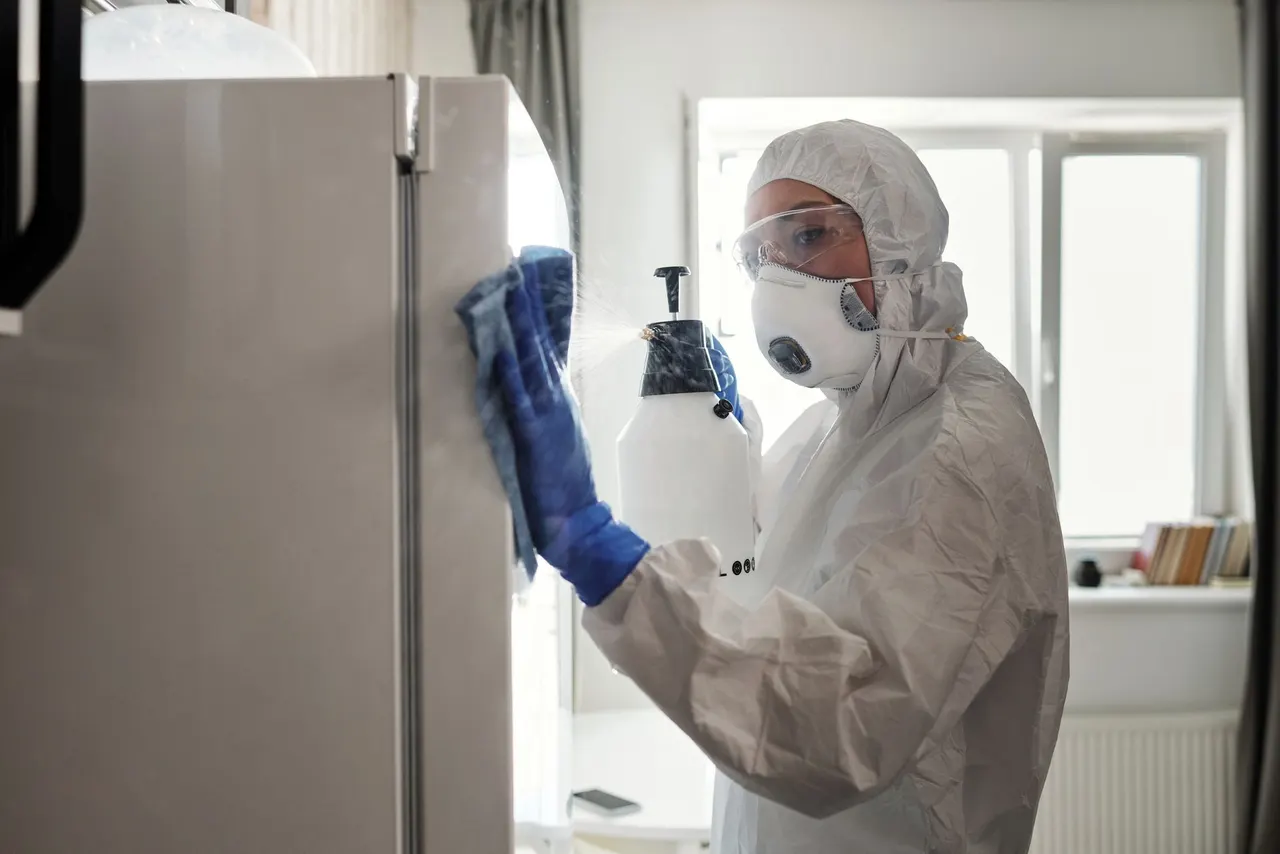
Modern Touch Spray Foam has been removing spray foam across Halifax and West Yorkshire since 2022. In four years we have stripped open cell and closed cell foam from hundreds of lofts, cavity walls and commercial roofs, and we have never had a removal report rejected by a lender. Our technicians are trained in cryogenic blasting, PAS 2035 retrofit assessment and working at height. We hold CHAS and Constructionline accreditation and we work to British Board of Agrément guidance on foam removal and ventilation.
Most Halifax lofts cost between £1,200 and £2,800 in 2026, depending on foam type, coverage and access. A single small loft with open cell foam can come in under £1,000. Larger detached properties, cavity wall foam or commercial roofs run higher. We give you a fixed price after a free survey, so you know the figure before we start.
The best team is the one that surveys your loft properly, shows you photographs, and gives you a fixed price in writing. We have been removing spray foam across Halifax since 2022 and every job comes with a dated removal report for your lender. Call 01422747049 and we will survey your property this week.
Yes. We run cryogenic spray foam removal Halifax West Yorkshire wide, covering Halifax City Centre, Sowerby Bridge, Brighouse, Elland, Hebden Bridge and the surrounding valleys. Dry ice blasting equipment is on every van, so we do not need to bring in a specialist from outside the area. Most surveys are booked within 48 hours.
You need it if a mortgage lender, surveyor or insurer has flagged spray foam in your loft or cavity, if roof timbers are damp or rotting, or if condensation is forming on roof felt. If the foam is sound and ventilation is fine, we will tell you. We never recommend removal you do not need.
Not seeing your question? Our local team can help you understand urgency, scheduling and what to expect.
Ask the local team
If you are searching for spray foam removal near me in Halifax, we cover the whole HX postcode area. Dry ice blasting is our primary method for lofts and rafters, and we can usually survey within 48 hours of your call.
View service
Same day spray foam removal is available across Halifax for smaller lofts and urgent lender deadlines. We keep afternoon slots open for cryogenic removal, so a survey in the morning can become a finished job by evening.
View serviceOur 24/7 spray foam removal line covers Halifax and West Yorkshire for emergency callouts, including water ingress through foam-blocked roofs and last-minute surveyor visits. Call 01422747049 any hour and we will arrange the earliest possible slot.
View service
Residential spray foam removal is the core of what we do in Halifax, from Victorian terraces to modern semis. We remove open cell and closed cell foam from lofts, rafters and cavity walls, then document everything for your lender.
View service
Ring 01422747049 or email [email protected] and we will get back to you the same working day. We are on the phone from 8am to 6pm Monday to Friday, and the 24/7 line is always open for emergency call-outs across Halifax. Tell us what you have seen and we will tell you what it needs.