Focused arrival windows
Useful updates and clear arrival timing.

An Insulation Assessment in Halifax, West Yorkshire tells you what insulation is actually inside your property, whether it is compliant, and what it will cost to put right. We inspect lofts, cavities and roof voids across Halifax, then hand you a plain-English report with photos. If a lender, buyer or surveyor has raised a question, we answer it in writing the same week.
Useful updates and clear arrival timing.
Review the approach and price before deciding.
Equipped vehicles and respectful cleanup.
Neighbors serving neighbors with follow-through.
Every assessment follows the same structure so you know what you are getting. The report is yours to keep and share, and if you go ahead with removal or re-insulation, the assessment fee comes off the final invoice.
We access the loft or roof void, measure foam thickness, identify open cell versus closed cell foam, and check for overspray, gaps and blocked ventilation paths. Photographs are taken of every area inspected.
We check cavity walls for injected foam, look for signs of cavity wall damp and cold bridging, and take moisture readings at key points. This is where most Halifax terraces show problems first.
Roof timbers are checked for rot, staining and insect damage. Foam that has trapped moisture often leaves tell-tale signs on rafters and purlins, which we document with close-up photographs.
We check eaves, ridge and any mechanical ventilation to see whether the roof space can breathe. Poor ventilation is the single biggest cause of problems with spray foam in Halifax properties.
You get a plain-English report the same day, listing findings, photographs, measurements and a clear opinion on whether the insulation is likely to satisfy a lender or building control. No jargon, no vague wording.
If work is needed, we provide a fixed price for removal, re-insulation or ventilation improvements based on measured areas. No hourly rates, no surprises, and no obligation to proceed.
Share what is happening and receive a clear next step from the local team.
An Insulation Assessment in Halifax, West Yorkshire is a physical inspection of your loft, roof void, cavity walls and any spray foam already installed, carried out to establish what is there, how it was applied and whether it meets current standards. We check foam type, thickness, coverage, ventilation paths and timber condition, then test whether the installation lines up with what a mortgage lender or building control expects to see. You get photographs, measurements and a written summary you can hand to anyone who asks.
Most Halifax properties we assess fall into three groups: stone-built terraces around Pellon and Ovenden with cold bridging and condensation, 1930s semis in Skircoat Green with original cavity walls, and converted mills and lofts where spray foam was pumped in years ago with no ventilation left behind. If you have spotted damp patches, a musty smell in the loft, or a lender has stalled your remortgage, an Insulation survey Halifax West Yorkshire homeowners book with us will tell you whether the foam is the cause or the cure.

Call 01422 747049 or message us with your address and what has prompted the assessment. We book morning or afternoon slots six days a week, with same-day availability when a lender or solicitor is pressing. You will get a text confirming the time and the name of the technician attending.
We inspect the loft, roof void, cavity walls and any existing spray foam. That means measuring foam thickness, identifying open cell spray foam versus closed cell spray foam, checking for overspray, and looking at ventilation paths, timber condition and signs of damp or condensation. Expect 60 to 90 minutes for a typical Halifax terrace.
We take moisture readings, check airflow at eaves and ridge, and photograph every area we access. Where foam is present, we note the brand if visible, the application method and whether it was installed to a recognised standard such as those set by the British Board of Agrément. Everything is logged with measurements.
You receive a plain-English report the same day, listing what is installed, its condition, any defects, and whether it is likely to satisfy a mortgage lender or building control. Photographs are embedded so you can see exactly what we saw. No jargon, no vague recommendations.
If work is needed, we price it clearly: removal, re-insulation or ventilation improvements. You get a fixed figure based on measured areas, not an hourly rate. There is no obligation to book the work with us, and the report stands on its own if you want a second opinion.
Used to take readings from timbers, plasterboard and masonry. Tells us whether moisture is present and how far it has spread.
Lets us see inside cavity walls and enclosed roof spaces without cutting large holes. Essential for checking foam behind plasterboard.
Reveals cold spots, air leaks and areas where insulation is missing or has been applied unevenly.
Worn by every technician entering a foam-contaminated space. Protects against airborne particles and chemical residue.
Used during inspection and removal to keep dust and particles out of the air, protecting your home and our team.
Cleans up debris and loose material after inspection or removal, leaving the space tidy and safe.
Cuts through dense closed cell foam when samples need to be taken or access is required for inspection.
We follow the retrofit assessment framework that underpins government-funded energy efficiency work. It means documenting the existing fabric, ventilation and condition before recommending any changes.
Where foam branding is visible, we identify it against British Board of Agrément records. Knowing whether it is Icynene, Lapolla, Demilec, BASF or Huntsman helps predict how it will behave and how it should be removed.
We trace airflow from eaves to ridge, checking for blockages caused by foam, insulation or debris. Restoring ventilation is often enough to solve damp problems without full removal.
Every finding is photographed with a scale reference where possible. The report is designed to be handed to a lender, surveyor or builder without further explanation.

We carry out an assessment before exchange, documenting foam type, condition and ventilation. The report gives your lender the evidence they need and tells you whether removal is likely to be required. You know the cost and risk before you commit, and your mortgage application is not held up by unanswered questions.
We inspect the roof void, check for blocked ventilation and take moisture readings. If foam is the cause, we explain your options clearly, from improving airflow to full removal. The smell is traced to its source, and you get a fixed price to fix it rather than a vague recommendation.
We assess the insulation, document what is installed and provide a written report suitable for tenants, letting agents or mortgage lenders. We can also quote for any remedial work. You have documented evidence of the property's insulation status, which keeps the letting compliant and avoids disputes.
We assess the existing insulation and ventilation before your builder starts. If foam needs removing to meet building regulations, we quote and schedule the work around your project. Your conversion starts with a clear understanding of the roof structure, avoiding costly surprises mid-build.
Halifax sits in a valley, and that shapes everything about insulation here. Driving rain and prevailing westerlies hit exposed stone walls, while older terraces in Pellon, Ovenden and Siddal were built without cavity walls or modern ventilation. When spray foam is injected into those roofs, it can seal the structure so tightly that moisture has nowhere to go. We see the results constantly: damp patches on ceilings, musty lofts, and timbers that have started to soften. The assessment accounts for this by checking ventilation paths as carefully as the foam itself. We also work around the practical realities of Halifax housing: narrow ginnels, restricted loft access, and converted mills in Hebden Bridge and Mytholmroyd where foam was applied decades ago. If you need an Insulation Assessment Halifax West Yorkshire cost estimate before booking, call us and we will give you a straight answer based on your property type and location.
Dense stone terraces with limited loft access and a history of condensation problems. Assessments here often find blocked eaves ventilation.
1930s semis with original cavity walls. We check for injected cavity foam and cold bridging at wall junctions.
Converted mills and older properties where spray foam was applied years ago. Ventilation is usually the critical factor.
Mixed housing stock from Victorian terraces to modern estates. Assessment approach varies significantly by property age.
Valley-bottom properties exposed to damp. We pay close attention to moisture readings and timber condition.
Moisture penetrates masonry more easily, so ventilation and drainage details matter more than in sheltered areas.
Solid walls offer no cavity to drain, meaning any trapped moisture shows up inside the property rather than escaping.
Foam applied in these spaces often blocks original ventilation routes, leading to condensation and timber problems.
Narrow hatches and low headroom mean assessment takes longer and requires compact equipment to avoid damage.
A buyer's mortgage was declined after a surveyor noted spray foam in the roof of a 1970s detached house. The seller had no documentation, and the lender would not proceed without knowing the foam type and ventilation status.
We assessed the roof void, identified the foam as open cell, and confirmed adequate eaves ventilation with photographs and moisture readings. The lender accepted the report within 48 hours and the purchase completed. Total cost of the assessment: £280.
Maintenance: Keep eaves vents clear and check the loft annually for any signs of condensation or damp. If you notice a musty smell, book a follow-up assessment before the problem spreads.
A homeowner had a damp patch spreading across an upstairs ceiling. Two roofers had quoted for a new roof, assuming a leak. The actual cause was closed cell foam blocking ventilation at the eaves, trapping moisture in the loft space.
Our assessment identified the blocked ventilation and measured timber moisture at 22 percent. We removed the foam from the eaves, restored airflow, and moisture readings dropped to 14 percent within three weeks. The ceiling dried out without replastering.
Maintenance: Check eaves ventilation each autumn and keep insulation from blocking the airflow path. An annual loft glance is enough to catch problems early.
A homeowner planning a loft conversion discovered spray foam covering the entire roof underside. The builder would not start until the foam was assessed and, if necessary, removed to meet building regulations for ventilation and fire safety.
We assessed 42 square metres of closed cell foam, documented its condition and provided a fixed removal quote. Removal took two days using thermal tools and a spray foam cutting saw, leaving timbers clean and ready for the conversion. The project started on schedule.
Maintenance: After conversion, ensure the new insulation does not block ventilation paths. We provide a simple checklist so your builder leaves the roof space breathing properly.
Most people book an assessment because something has gone wrong: a lender has said no, damp has appeared, or a surveyor has raised a concern. Here are the issues we find most often in Halifax and how we resolve them.
The purchase stalls, the seller gets nervous and you risk losing the property or paying for removal you did not budget for. We assess the foam, document its type, coverage and ventilation, and provide a report the lender can work with. If removal is required, we quote a fixed price and can often complete it within days so your purchase can proceed.
Moisture trapped by foam rots timbers, stains plaster and creates a musty smell that spreads through the house. Our assessment identifies whether foam is blocking ventilation or whether cavity wall damp is the cause. We then recommend the least invasive fix, which might be improving airflow rather than full removal.
A negative survey comment can derail a sale or knock thousands off the asking price, even when the foam is doing no harm. We provide an independent assessment with photographs and measurements, giving the buyer, seller and lender a factual basis for the decision rather than a vague warning.
Rot weakens rafters and purlins, and if left untreated it can lead to structural repairs costing far more than removal. We inspect timbers during the assessment and document any rot with photographs. If removal is needed, our thermal removal tools and spray foam cutting saw let us take the foam off without causing further damage.
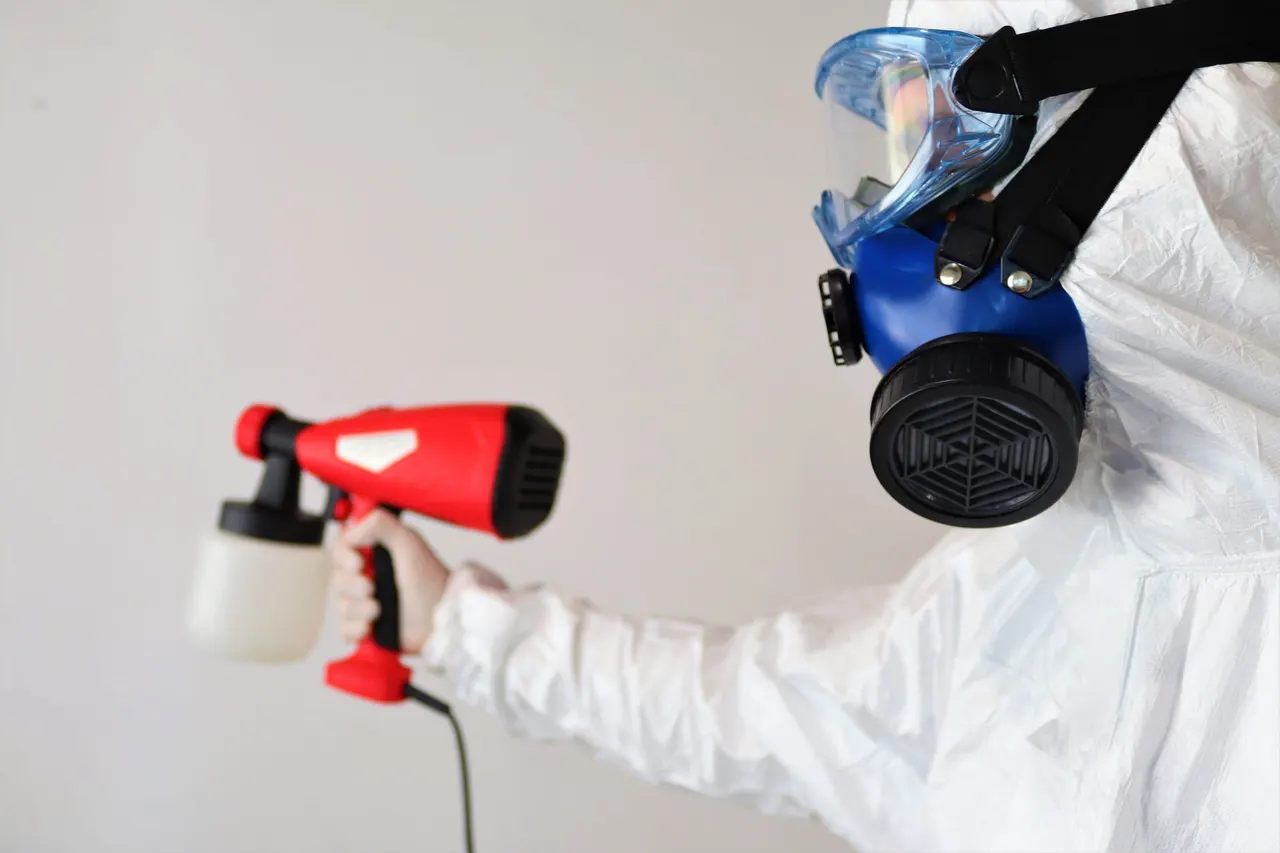
Modern Touch Spray Foam has been assessing and removing spray foam insulation across Halifax since 2022. In that time we have inspected hundreds of lofts, roof voids and cavity walls, from Victorian terraces in Savile Park to converted mills in Hebden Bridge. Our technicians work to PAS 2035 principles, carry CHAS and Constructionline accreditation, and hold NEBOSH health and safety qualifications. We know what lenders want to see, what building control flags, and which foam types cause the most problems in West Yorkshire's climate.
A standard residential assessment in Halifax costs between £180 and £350 in 2026, depending on property size and access. That covers the site visit, moisture and airflow testing, photographs and a same-day written report. Larger commercial or mill conversions run £400 to £650. If removal work follows, we credit the assessment fee against the job.
The best assessment is the one that gives you evidence a lender or surveyor will accept. Look for a team that documents foam type, thickness, ventilation and timber condition with photographs, and that works to PAS 2035 principles. We have been assessing Halifax properties since 2022 and our reports are accepted by local lenders and retrofit assessors.
Yes. We cover Halifax, West Yorkshire and the surrounding areas including Sowerby Bridge, Brighouse, Elland, Hebden Bridge and Todmorden. Morning and afternoon slots are available six days a week, and we can often fit in a same-day visit if a mortgage deadline is pressing. Call 01422 747049 to check availability.
If your property has spray foam in the roof, yes. Many lenders now refuse mortgages on homes with spray foam unless there is evidence of what was installed and that ventilation is adequate. An assessment gives you that evidence before a buyer's surveyor raises it, which keeps the sale moving instead of stalling at the eleventh hour.
Not seeing your question? Our local team can help you understand urgency, scheduling and what to expect.
Ask the local team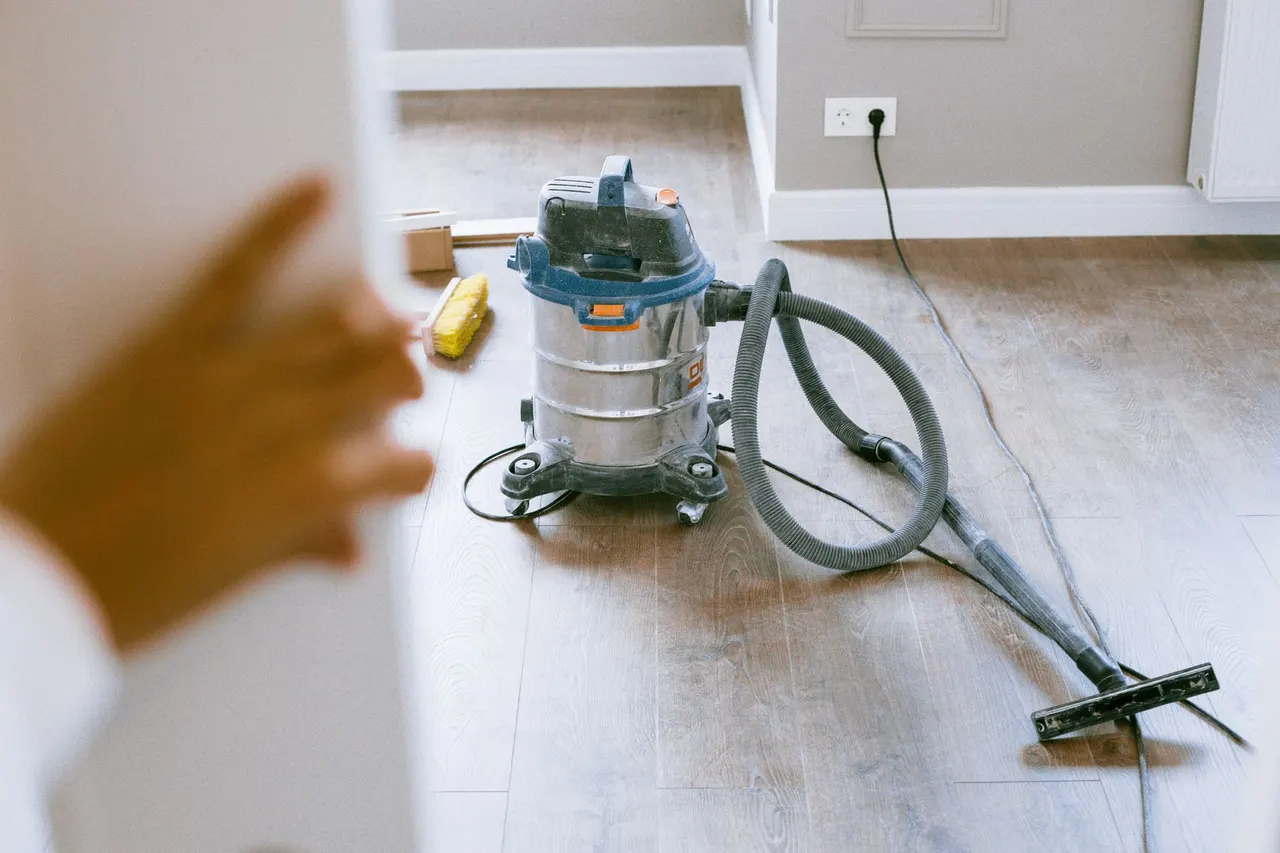
If the assessment finds foam that has to come out, we handle the removal. We cover Halifax and surrounding areas, so a local crew can be on site quickly once the report is done.
View service
When a lender or buyer needs foam gone fast, we can often schedule removal the same day as the assessment. Ideal for sales that are close to exchange and need a quick resolution.
View service
Emergency removal for water ingress, storm damage or urgent lender deadlines. Call 01422 747049 any time and we will arrange the earliest possible slot, including evenings and weekends.
View service
Most of our Halifax assessments are on homes: terraces, semis and detached properties. Residential removal covers lofts, roof voids and cavity walls with full containment and cleanup.
View serviceRing 01422747049 or email [email protected] and we will get back to you the same working day. We are on the phone from 8am to 6pm Monday to Friday, and the 24/7 line is always open for emergency call-outs across Halifax. Tell us what you have seen and we will tell you what it needs.