Focused arrival windows
Useful updates and clear arrival timing.

Warehouse Spray Foam Removal in Halifax is what we do when failed Icynene or Lapolla foam is holding up a sale, a refit or a mortgage. We cut, blast and vacuum it out of industrial units across West Yorkshire, then hand you a clean deck ready for the next trade. Same-day quotes, dust-controlled extraction, and a written method statement before we start.
Useful updates and clear arrival timing.
Review the approach and price before deciding.
Equipped vehicles and respectful cleanup.
Neighbors serving neighbors with follow-through.
Every Halifax warehouse job is priced as a complete package, not a day rate. Here is what sits inside the price, and what we quote separately if you want it.
We attend, measure the foam coverage, identify the brand where possible, and check roof and racking access. You get a fixed written price the same day, with no charge for the visit and no obligation to book.
Issued before mobilisation so your site manager, insurer or landlord can sign off. It covers isolation, access equipment, PPE respirator use, waste routes and the sequence of work bay by bay.
Cutting, blasting and vacuum extraction of open cell spray foam, closed cell spray foam and polyurethane foam from roof decks, walls and mezzanine undersides, taken back to bare substrate.
Industrial vacuum and air scrubber running throughout, with sealed bags removed from site the same day. Racking, stock and neighbouring bays are sheeted before any cutting starts.
Dated photographs of the finished deck, foam type identification, and any timber damage found underneath. Formatted so a Halifax mortgage lender or insurer can accept it without a follow-up inspection.
Share what is happening and receive a clear next step from the local team.
Warehouse Spray Foam Removal in Halifax is the controlled stripping of open cell spray foam, closed cell spray foam and polyurethane foam from roof decks, wall panels and mezzanine undersides in commercial units. We start with an insulation assessment, map the foam type and thickness, then choose between a spray foam cutting saw, oscillating multi-tool, dry ice blasting machine or abrasive media depending on the substrate. Every run ends with an industrial vacuum and air scrubber so the unit is safe to re-enter the same day.
Most Halifax warehouse jobs come to us for one of four reasons: a mortgage lender refusal on a building with undeclared foam, damp and condensation tracked back to sealed roof timbers, a refit that needs the deck clear for new services, or spray foam overspray that landed where it should never have been. If you are searching for Warehouse Spray Foam Removal Halifax near me and need a crew that understands commercial units, we cover Halifax City Centre, Brighouse and Elland seven days a week.

We attend your Halifax unit, measure the foam coverage in square metres, identify the brand where we can, and check roof access. You get a fixed written price the same day, usually within four hours of the visit. No charge for the survey.
Before any cutting starts we agree a method statement with you, isolate power to the work zone, and sheet up racking and stock. Our technicians work in PPE respirator and full coveralls, and we set the air scrubber running before the first cut.
Foam comes off in sections using a spray foam cutting saw and oscillating multi-tool for the bulk, then dry ice blasting machine passes for the residue bonded to steel or timber. A typical 500 square metre roof deck takes two technicians around 14 working hours.
An industrial vacuum pulls the debris straight into sealed bags, and the air scrubber runs until particulate readings drop. We sweep, wipe down racking, and photograph the finished deck so you have a record for your lender or insurer.
We walk the unit with you, flag any timber damage we found under the foam, and hand over a written report with photographs. If you need new cavity wall insulation or loft insulation afterwards, we can quote that on the same visit.

Cuts bulk closed cell foam into manageable sections on roof decks and walls. Fast, but needs a steady hand so the substrate underneath is not scored.
Detail work around rafters, purlins, sprinkler brackets and conduit. Gets into the corners a saw cannot reach without cutting into the structure.
Lifts bonded foam residue off steel and timber using dry ice pellets. No abrasive media, no secondary waste, and safe around protective coatings.
Pulls foam debris straight into sealed bags during cutting and blasting, keeping airborne particulate down and the unit clean enough to work in.
Runs continuously to filter fine dust and foam particles from the air, so neighbouring bays and your own stock are not contaminated.
Every technician wears a fitted respirator, coveralls and eye protection. Polyurethane foam dust is not something to breathe in, and we treat it that way.
Dry ice pellets sublimate on contact, freezing and lifting foam residue without abrasive damage. We use it as the finish pass on warehouse steel and timber where the substrate must stay intact, and it cuts secondary waste to almost nothing.
Used only where foam has cured onto rough concrete or brick that can take it. We contain the media fully, sheet adjacent surfaces, and recover the spent abrasive before it reaches drains or neighbouring units.
Heated blades and thermal removal tools soften dense polyurethane foam before cutting, which suits thick closed cell sections on walls. It reduces shattering and keeps debris in larger, easier-to-vacuum pieces.
Where a Halifax warehouse is being retrofitted after removal, we specify replacement insulation to PAS 2035 principles so the new system breathes correctly and does not repeat the trapped-moisture problem.
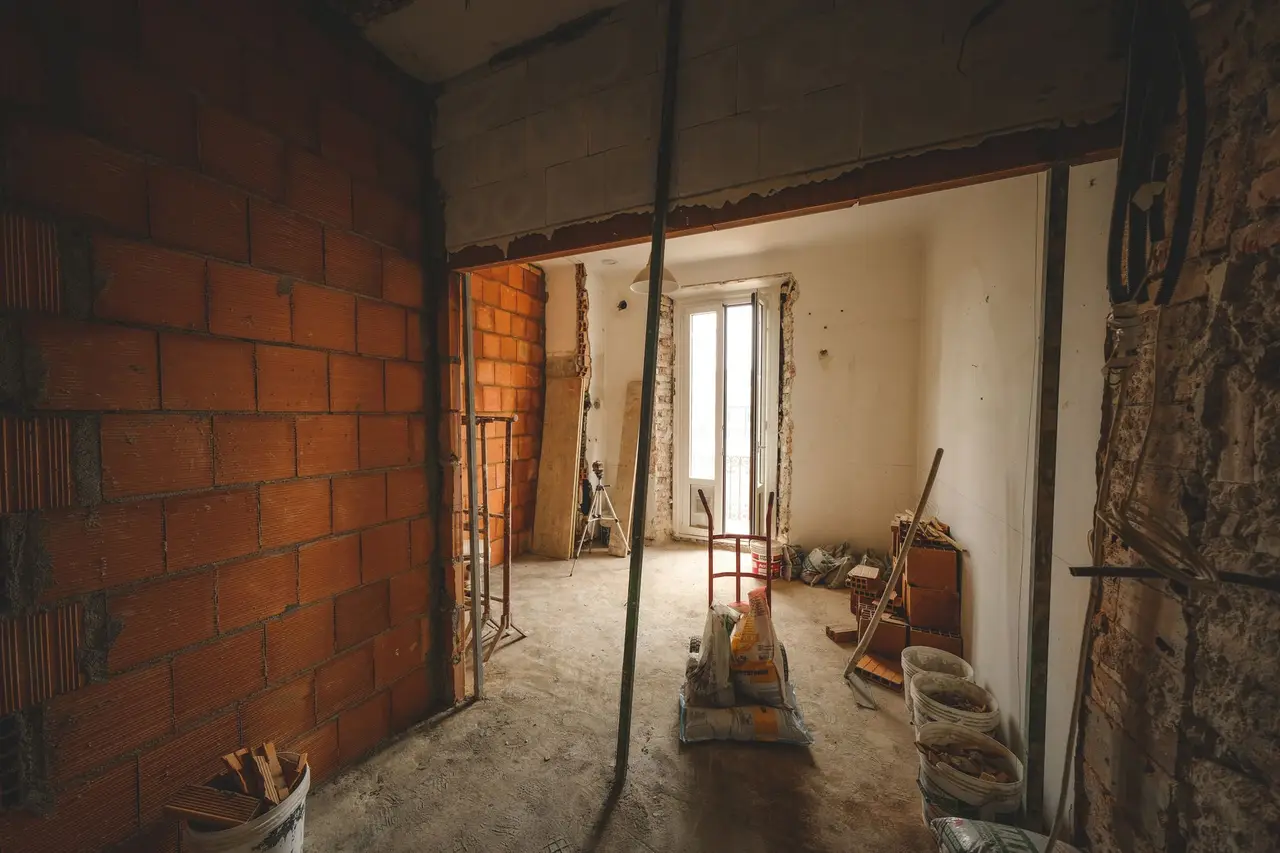
We survey within 24 hours, quote fixed, and mobilise a two-man crew as soon as the price is accepted. Foam comes off, timbers are inspected, and a dated report goes to the broker the day we finish. The lender releases funds, and the sale completes without a renegotiation on the foam.
Dry ice blasting removes the foam from the pipework and steel without abrasive damage, with the air scrubber running and the rest of the building kept operational. The insurer signs off the survey, and no sprinkler heads or conduit need replacing.
We strip closed cell foam at 70 mm depth using a cutting saw and multi-tool, phase the work across two bays, and hand over a photographed deck each evening. The follow-on trades start on schedule, and the refit programme holds its original dates.
Emergency call-out, area isolated, loose foam removed and the deck made safe the same day. We return within the week to complete the full strip and check for timber damage. The aisle reopens safely, and stock losses stay limited to the affected bay.
Halifax sits in a damp, west-facing valley, and that matters for foam. Roof decks here take driving rain from the Pennines, and any foam that has sealed a deck without a ventilation path will have pushed condensation into the timbers within a couple of winters. Most of the warehouses we strip are 1960s to 1990s steel portal frames with profiled metal roof sheets, and the foam is usually closed cell at 50 to 90 mm. Access is often the real constraint: low eaves, live racking and single goods doors mean we plan the extraction route before we cut anything. For Industrial spray foam removal Halifax West Yorkshire cost, the honest answer is that access and foam depth move the number more than floor area does. If you need Warehouse Spray Foam Removal Halifax 24/7 after storm damage, we keep a crew on standby across the Calder Valley.
Tight yards and shared service roads mean we often work from a single goods entrance and phase the strip bay by bay to keep neighbours trading.
A high concentration of older mill buildings converted to storage, where foam was sprayed straight onto roof timbers and now traps condensation.
Larger modern units with clear spans, so access is easier and full roof decks can be stripped in a single mobilisation.
Valley-floor sites with poor natural ventilation, which is exactly where sealed foam causes the worst damp and condensation problems.
Any breach in the roof covering pushes water into foam and then into timbers. We check the deck condition while the foam is off and flag repairs before they become structural.
Foam bonds hard to profiled sheets, so we cut in sections rather than pulling, which avoids bending the sheeting and creating new leaks.
We size the extraction route and skip placement before mobilising, so we are not blocking your neighbours or the highway while the job runs.
Sheeting, isolation and air scrubber use are planned around your stock, and we can work one aisle at a time if the unit has to stay operational.
Closed cell foam at 70 mm across a 600 square metre roof deck, undeclared on the survey and blocking a mortgage. Timbers were dark and damp at the eaves, and the lender would not release funds until the foam was gone.
Foam stripped in three working days by a two-man crew, deck photographed, two rafters treated for early rot. The dated report went to the broker on day four and the lender released funds the following week.
Maintenance: We recommended a breathable insulation system at eaves level and an annual roof inspection each autumn before the worst of the Pennine rain.
Foam overspray from a previous contractor coated 40 metres of sprinkler pipework and conduit, and the insurer survey had flagged it twice. Grinding would have damaged the protective coating on the pipe.
Dry ice blasting cleared the pipework and steel in a single shift with the air scrubber running. No coating damage, no sprinkler heads replaced, and the insurer signed off the survey the same week.
Maintenance: We advised masking services before any future insulation work, and a quick visual check of pipework after any roof repair.
A 1970s mill conversion had Icynene foam sprayed directly onto roof timbers across two bays, holding up a refit. New lighting and sprinkler runs could not be installed until the deck was clear.
Foam removed at 60 to 80 mm depth over two days, phased bay by bay so the site kept working. The follow-on trades started on a flat, clean deck and the refit programme held its original dates.
Maintenance: We specified a vapour-open insulation build-up for the new ceiling so the timbers stay dry, with a ventilation check at each eaves detail.
Foam that was meant to insulate a Halifax warehouse often ends up causing the exact problems it was sold to prevent. These are the four we see most, and how we deal with them.
The sale stalls, the buyer walks, and you are left paying rates on a building you cannot move. Lenders treat undeclared foam as a structural risk until it is gone and the timbers are inspected. We strip the foam, inspect the roof timbers while the deck is open, and issue a dated photographic report in the format Halifax lenders accept. Most sales we unblock complete within eight weeks of the report landing.
Sealed foam stops the deck breathing, so moisture condenses on the cold side and roof timber rot sets in within two to three winters. Left alone, rafters need replacing, not just treating. We remove the foam, restore airflow at eaves and ridge level, and treat any early rot we find. If you want insulation back afterwards, we specify a breathable system that will not repeat the problem.
Overspray blocks sprinkler heads, coats conduit and makes every future maintenance job slower. Insurer surveys flag it, and you end up paying twice to put it right. Dry ice blasting machine passes lift foam off steel and conduit without damaging protective coatings or pipework. We mask services first, then blast, then vacuum, so nothing is left behind.
New lighting grids, sprinkler runs and mezzanine steel all need a clean deck. Cutting around foam slows every follow-on trade and adds days to the programme. We take the deck back to bare metal or timber, typically in one pass, and phase the work bay by bay so you keep trading. Your follow-on trades start on a flat, clean surface.

Modern Touch Spray Foam has been removing spray foam since 2022, working almost entirely on commercial and industrial buildings across Halifax and the Calder Valley. Our technicians are trained in dry ice blasting, abrasive media blasting and thermal removal, and we work to CHAS and Constructionline standards on every site. We have stripped Icynene, Lapolla, Demilec, BASF and Huntsman foams from roof decks, cavity walls and mezzanine undersides, and we know how each one behaves when it is cut.
Typical 2026 pricing for a Halifax warehouse runs £18 to £32 per square metre of foam removed, so a 500 square metre roof deck usually lands between £9,000 and £16,000. Access, foam depth and whether dry ice blasting is needed all move the number. We quote fixed after a free survey.
The best crew for your unit is the one that surveys before quoting, issues a method statement and provides lender-ready photographs at handover. We have been stripping foam since 2022, hold CHAS and Constructionline accreditation, and work across Halifax, Brighouse and Elland. Ask any contractor for those three things before you book.
Yes. We cover the whole of Halifax and West Yorkshire for Industrial spray foam removal, including Sowerby Bridge, Mytholmroyd, Hebden Bridge and Todmorden. Commercial units, warehouses and industrial estates are our main workload, and we can mobilise a two-man crew within 48 hours of an accepted quote.
For emergency Warehouse Spray Foam Removal Halifax, we aim to have a crew on site within four hours for postcodes inside the Halifax ring road. That covers storm-driven water ingress, foam falling after a ceiling failure, or a lender inspection brought forward. Call 01422747049 and we will confirm a time on the phone.
Not seeing your question? Our local team can help you understand urgency, scheduling and what to expect.
Ask the local team
If you are searching Spray Foam Removal Near Me, we cover every Halifax postcode with the same crew and equipment used on our warehouse contracts. Same survey process, same dust-controlled extraction, same written report at handover.
View service
Same Day Spray Foam Removal suits small warehouse bays and single roof sections where a lender or insurer needs the foam gone quickly. Call before 10am and we can often have a two-man crew cutting by early afternoon.
View service
Our 24/7 Spray Foam Removal line handles out-of-hours call-outs for Halifax industrial units, including weekend working when a Monday inspection is looming. You speak to a technician, not a call centre, and we confirm attendance on the phone.
View service
Residential Spray Foam Removal covers lofts, attics and cavity walls in Halifax homes where foam has caused damp, timber rot or a mortgage hold-up. Smaller kit, same method, and we sheet up carpets and furniture before we start cutting.
View service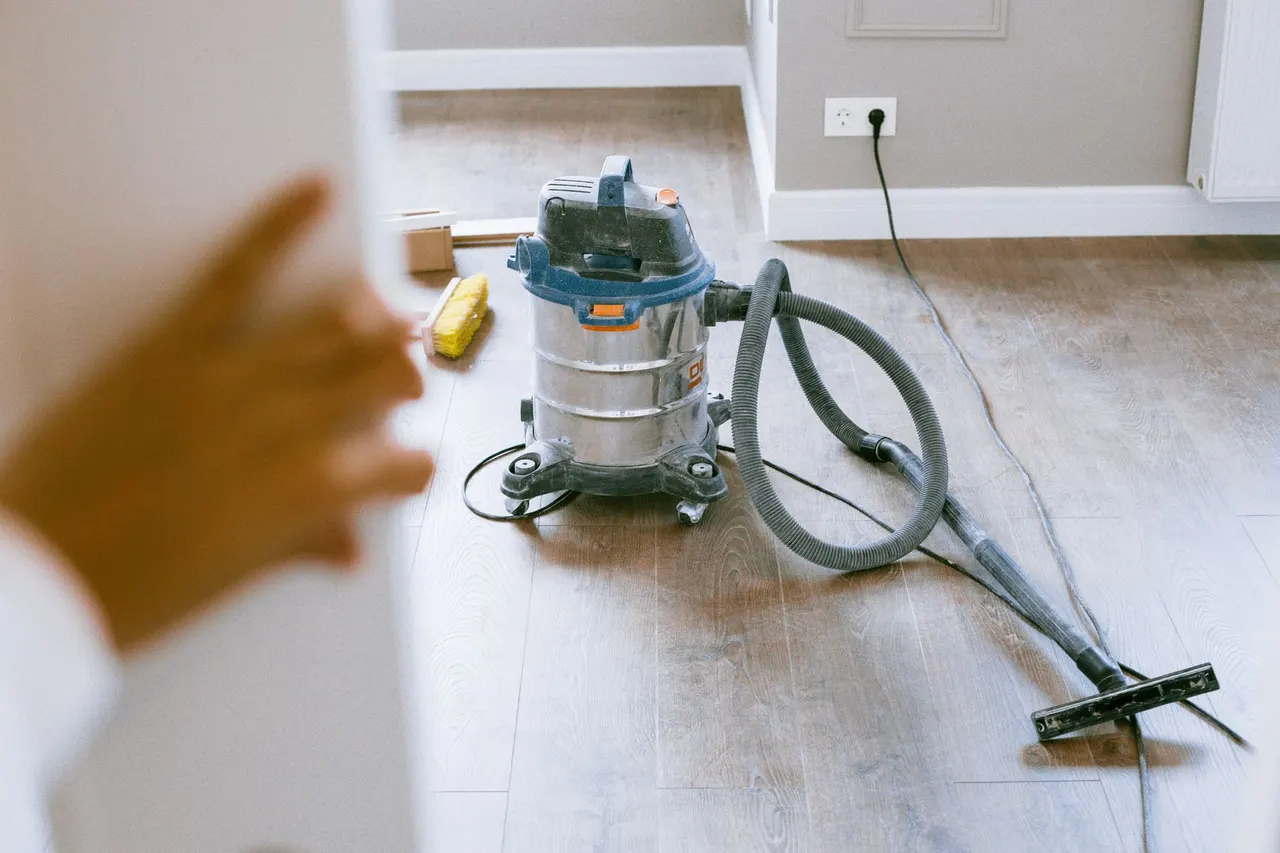
Ring 01422747049 or email [email protected] and we will get back to you the same working day. We are on the phone from 8am to 6pm Monday to Friday, and the 24/7 line is always open for emergency call-outs across Halifax. Tell us what you have seen and we will tell you what it needs.